Leave a Message

Thank you for your message. I will be in touch with you shortly.

Browse Properties

The Triangle

NORTH CAROLINA'S TRIANGLE REGION

Raleigh, Durham and Chapel Hill form the three points of what everyone here simply calls the Triangle. Between them sits Research Triangle Park—RTP—the 7,000-acre research park established in 1959 that helped transform what was once a relatively sleepy part of North Carolina into one of the country's major centers for technology, medicine, research, biotechnology and higher education.
The transformation has been remarkable because this part of North Carolina came from very different roots. Agriculture shaped much of the region, while tobacco and textiles built fortunes, institutions and communities here; elsewhere across this part of the state, furniture manufacturing was transforming North Carolina at the same time. Durham's enormous tobacco warehouses, old textile mills scattered throughout the region and even the histories of some of our universities are reminders that today's laboratories and technology campuses didn't appear out of nowhere.

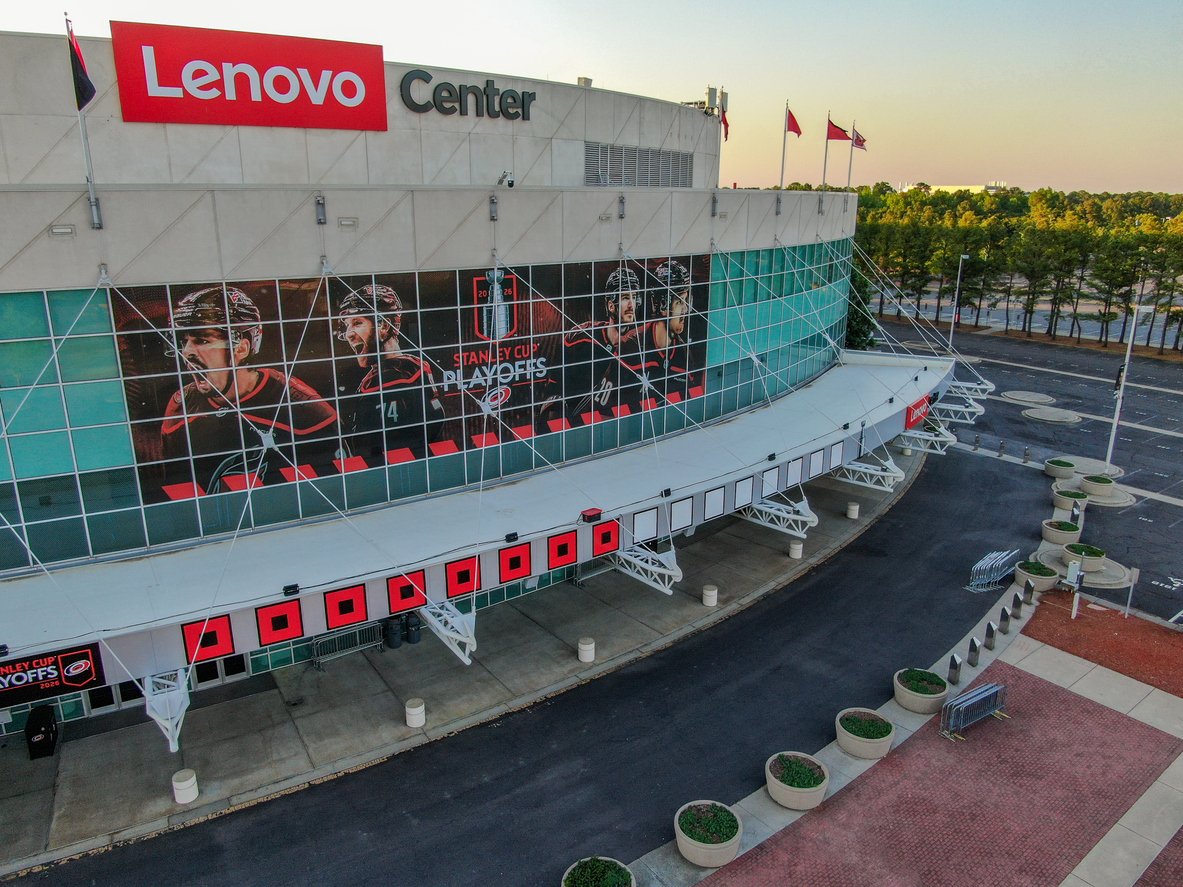
Today, RTP alone is home to nearly 400 companies and some 55,000 employees. But the Triangle is much more than an employment center. It is home to three major research universities, the state capital, a surprisingly rich collection of arts and cultural institutions and, as of 2026, the two-time Stanley Cup champion Carolina Hurricanes.
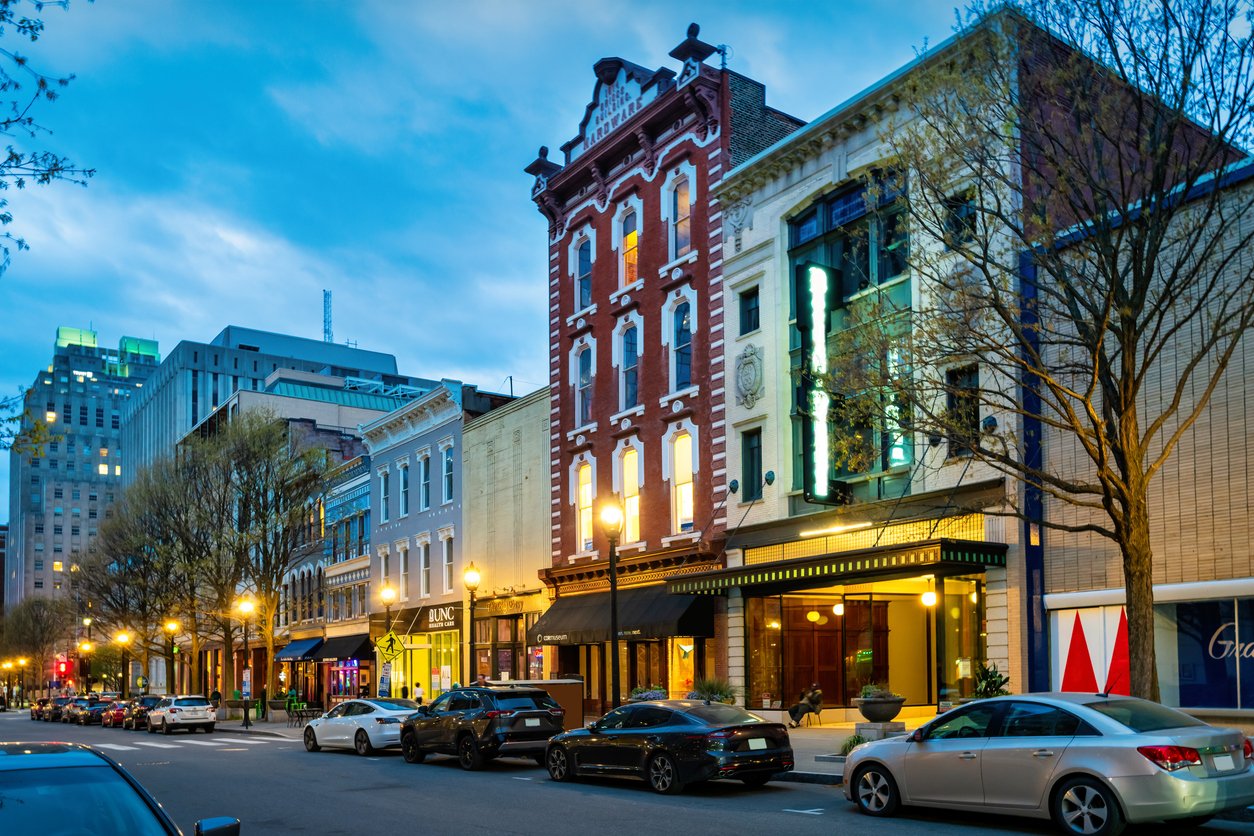
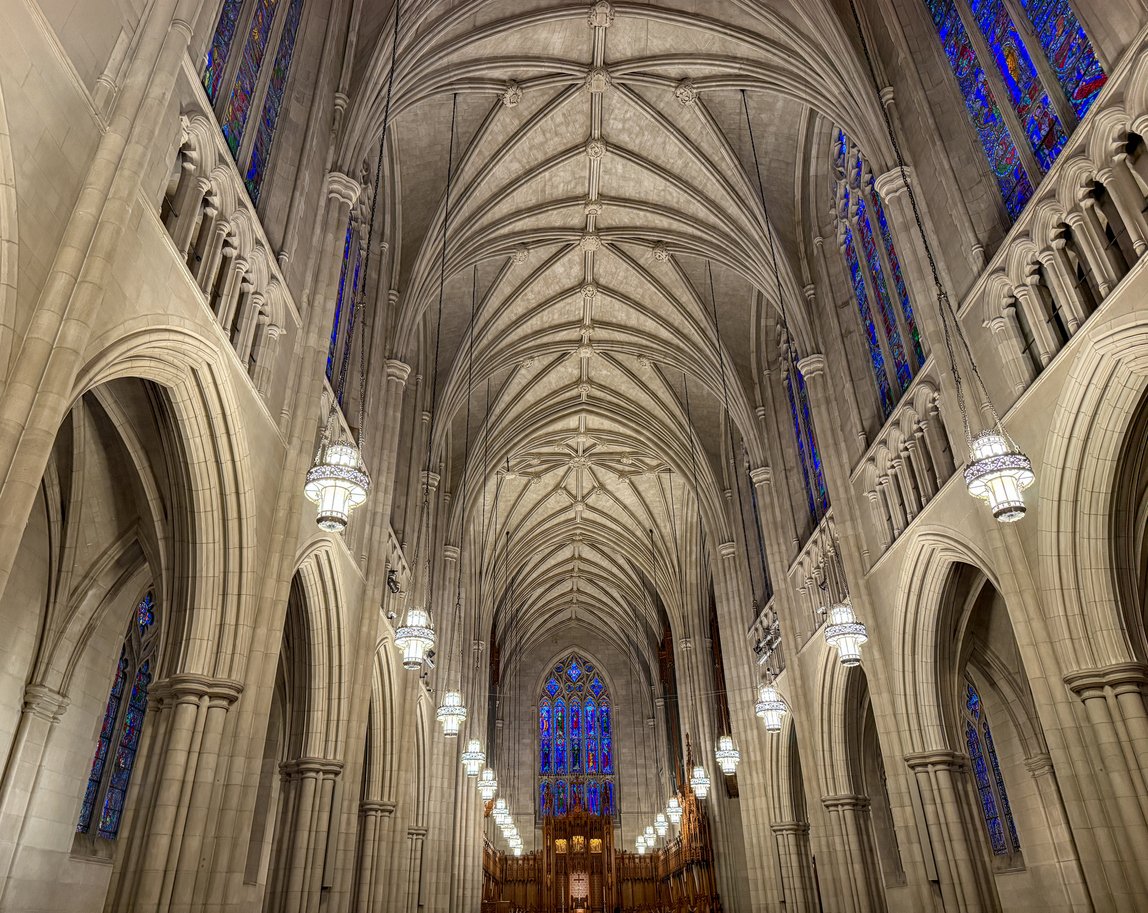
Perhaps the most unusual thing about the Triangle is how many people seem to choose the place before choosing the particulars. People relocate here because they want to live here, and only then sort out precisely where they'll work, which community suits them or where the children will attend school. That's not how relocation usually works, and it says something about the region.

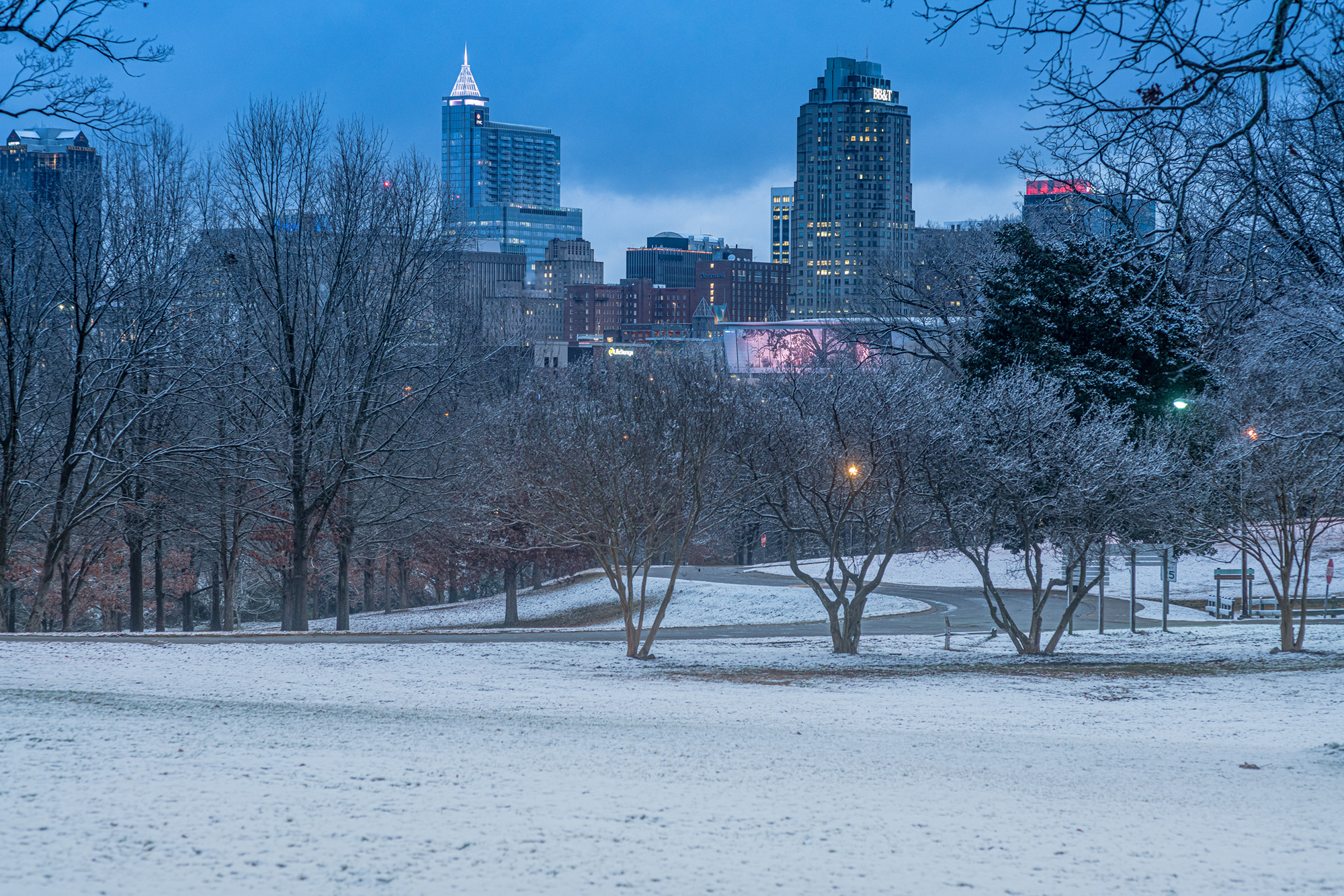
The weather probably helps. We have four distinct seasons, although winter is brief and not terribly committed to being winter. When snow does arrive, newcomers from Boston, Chicago or New York occasionally find our approach to snow removal bewildering. “Wait for it to melt” is not technically the official municipal policy, but some years it can appear to be.

Summer is hot, sunny and humid, sometimes interrupted by a quick afternoon shower or thunderstorm. Fortunately, the Atlantic Ocean is about two hours away and the mountains roughly three. Spring and fall seem a little shorter than they did decades ago, but they remain glorious—and are arguably the two parts of the calendar when North Carolina most effectively shows off.

WHAT TO KNOW ABOUT THE TRIANGLE

The first thing to understand is that the Triangle isn't really one place.

Raleigh, Durham and Chapel Hill have distinct histories, personalities and loyalties. Cary, Apex, Wake Forest, Holly Springs and the other surrounding communities add still more choices. Someone can live in this region for twenty years without regularly visiting certain parts of it, while two people who both say they “live in Raleigh” may have completely different day-to-day experiences.

That variety is part of the appeal, but it can also make choosing where to live surprisingly complicated.

The region has grown enormously, and it hasn't always grown neatly. A six-mile commute can be easy or maddening depending upon which six miles we're talking about. A neighborhood built in the 1920s may sit a few blocks from new construction completed last Tuesday. And the Triangle's municipalities don't always stop where newcomers expect them to: mailing addresses, school assignments, city limits and one's own idea of where Raleigh ends and Cary begins don't necessarily agree.

One particularly Raleigh-specific distinction is Inside the Beltline, universally shortened to ITB. Technically it refers to the area inside Interstate 440, although Raleigh people can invest those three letters with considerably more meaning than the highway department ever intended. ITB generally contains many of the city's oldest and most established neighborhoods and some of Raleigh's most expensive real estate.

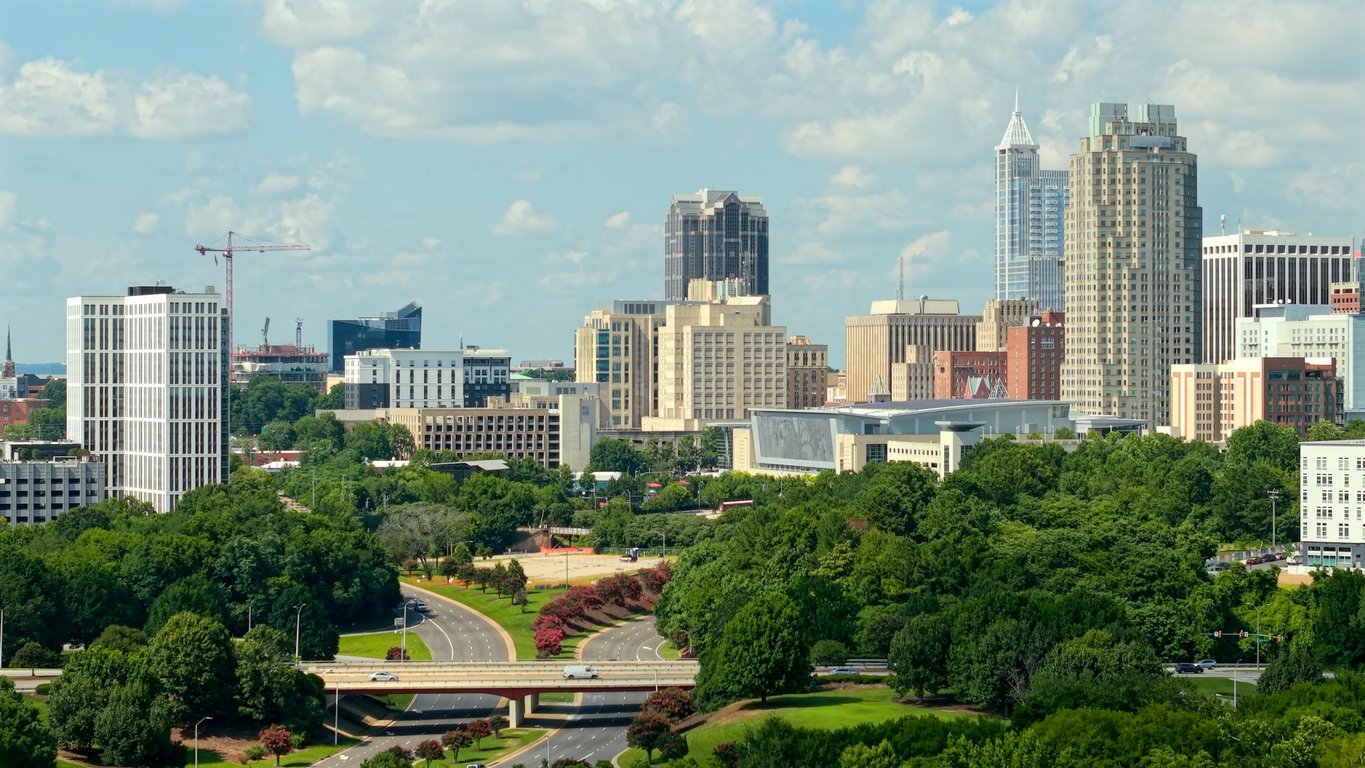
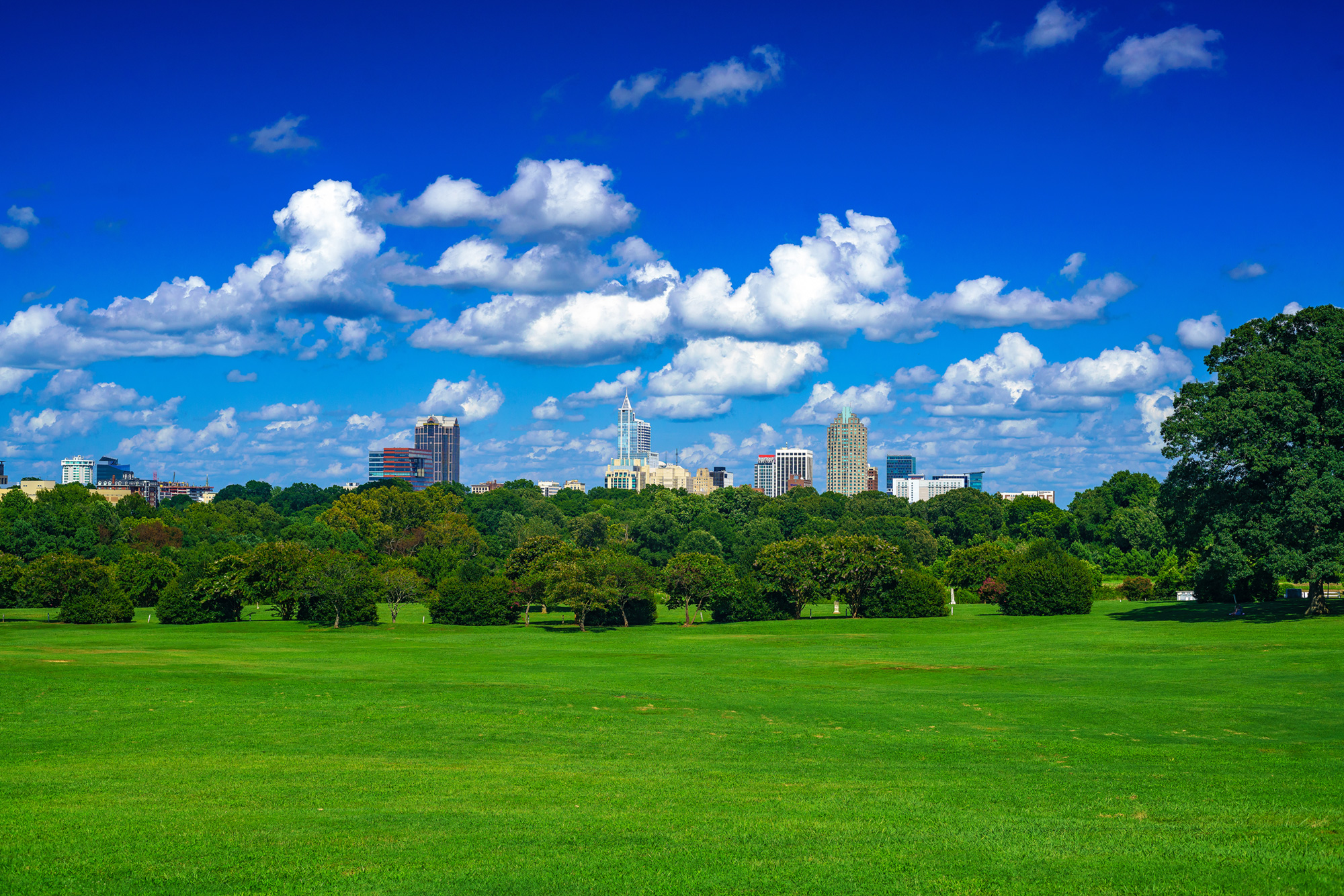
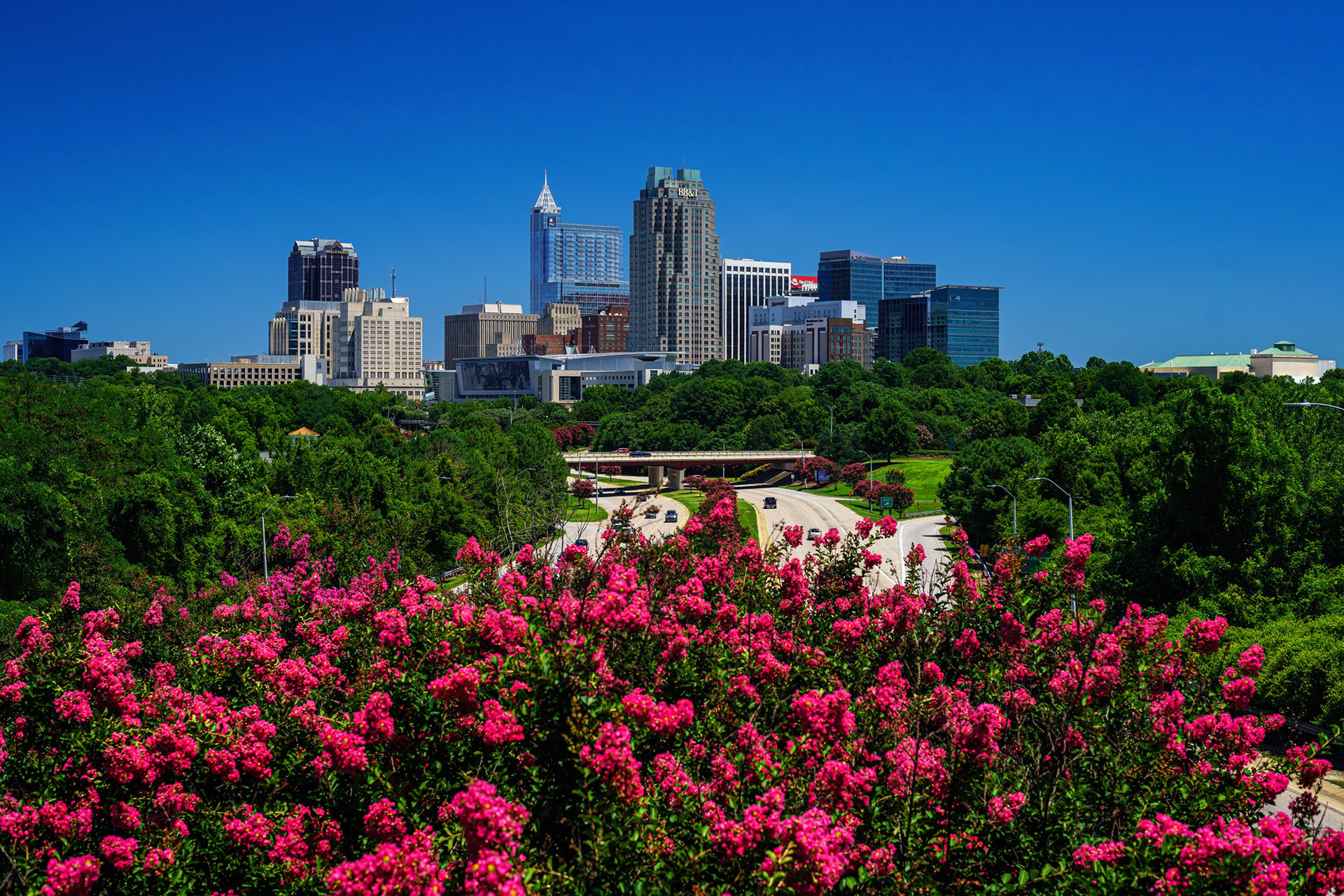
One of the first things visitors notice about Raleigh, sometimes before they even land at the airport, is just how green it is. From the air, the tree canopy can be so extensive that it almost conceals the metropolitan area underneath it. Roads, houses and entire neighborhoods disappear into what looks from above like an enormous forest. For a rapidly growing metropolitan area, that's a rather remarkable first impression.

Outside the Beltline, the housing stock becomes newer as one moves outward—but only generally so. Raleigh has grown from the inside out for more than a century, and the result is less a series of tidy rings than a patchwork of neighborhoods from different eras.

One modern advantage that shouldn't be underestimated is Raleigh-Durham International Airport (“RDU”), almost exactly equidistant to Raleigh, Durham and Chapel Hill. RDU has evolved from a perfectly adequate regional airport into one of the Triangle's genuinely great assets, with nonstop flights across the United States and direct international service that includes London, Paris, Frankfurt, Dublin, Mexico City and other destinations. It is also, mercifully, still an airport one can usually navigate without devoting half a day to the experience. Security lines are typically short compared with many airports of similar passenger volume, and further expansion is coming, including a longer, fourth runway designed to better support additional long-haul flights and larger aircraft.

THREE UNIVERSITIES, AND A RIVALRY OR TWO

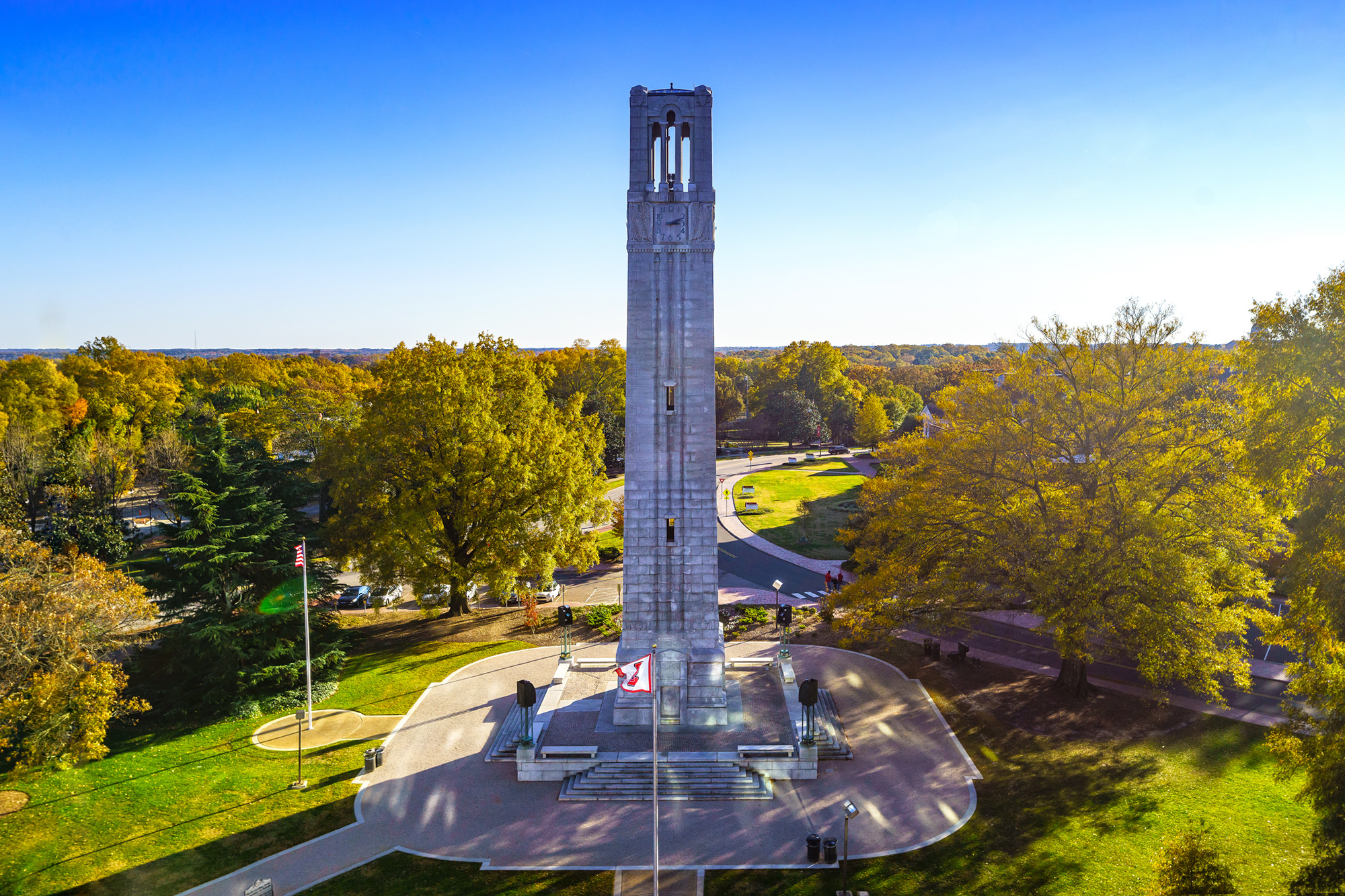
The Triangle takes its name from the three research universities at its corners—Duke, University of North Carolina at Chapel Hill (“UNC”) and NC State—which also provided the intellectual foundation for Research Triangle Park. Today they bring research, engineering, technology, arts, thousands of jobs and a constantly replenished population of students and graduates into the region and employee base. They also bring sports.

College basketball here is not merely entertainment. For a certain portion of the population, it is inherited identity. Michael Jordan, Phil Ford, James Worthy and generations of other players have made UNC basketball part of the culture of Chapel Hill. Duke has produced its own parade of legendary players and, of course, Coach Mike Krzyzewski—Coach K—who for more than four decades occupied the unusual position of being either one of the most beloved figures in North Carolina sports or the enemy you loved to hate, depending almost entirely upon the shade of blue you were wearing.

NC State fans, meanwhile, will be happy to explain why any discussion that begins with only Carolina and Duke is already flawed.

In some parts of the Old South, a newcomer might once have been asked, “Now where do you attend church, dear?” In the Triangle, you're more likely to be asked, “UNC or Duke?” It doesn't particularly matter where you went to college. Eventually, you are expected to pick a side.

The educational landscape extends well beyond the big three. North Carolina Central University, Meredith College, Shaw University, William Peace University, Campbell Law and Wake Tech are among the institutions adding students, faculty and character to the region.

Every August, the students return, traffic patterns change and the Triangle somehow feels younger again. There is a noticeable sense of renewal—and, inevitably, optimism that this will be somebody's championship year.

MEDICINE & HEALTHCARE

The universities have also helped make the Triangle an extraordinary place for healthcare.

Duke Health and UNC Health are major academic medical systems whose reach extends far beyond North Carolina, while WakeMed is deeply embedded throughout the region. Around them is an enormous network of physicians, specialists, researchers, clinical trials and biotechnology and pharmaceutical companies.

People travel considerable distances to receive care here, particularly for complex diseases and highly specialized treatments. Some people actually relocate to the Triangle because they—or someone they love—need continuing access to a particular physician, medical team or treatment program. It's one of those regional advantages you hope never becomes important to you.

The Capital City

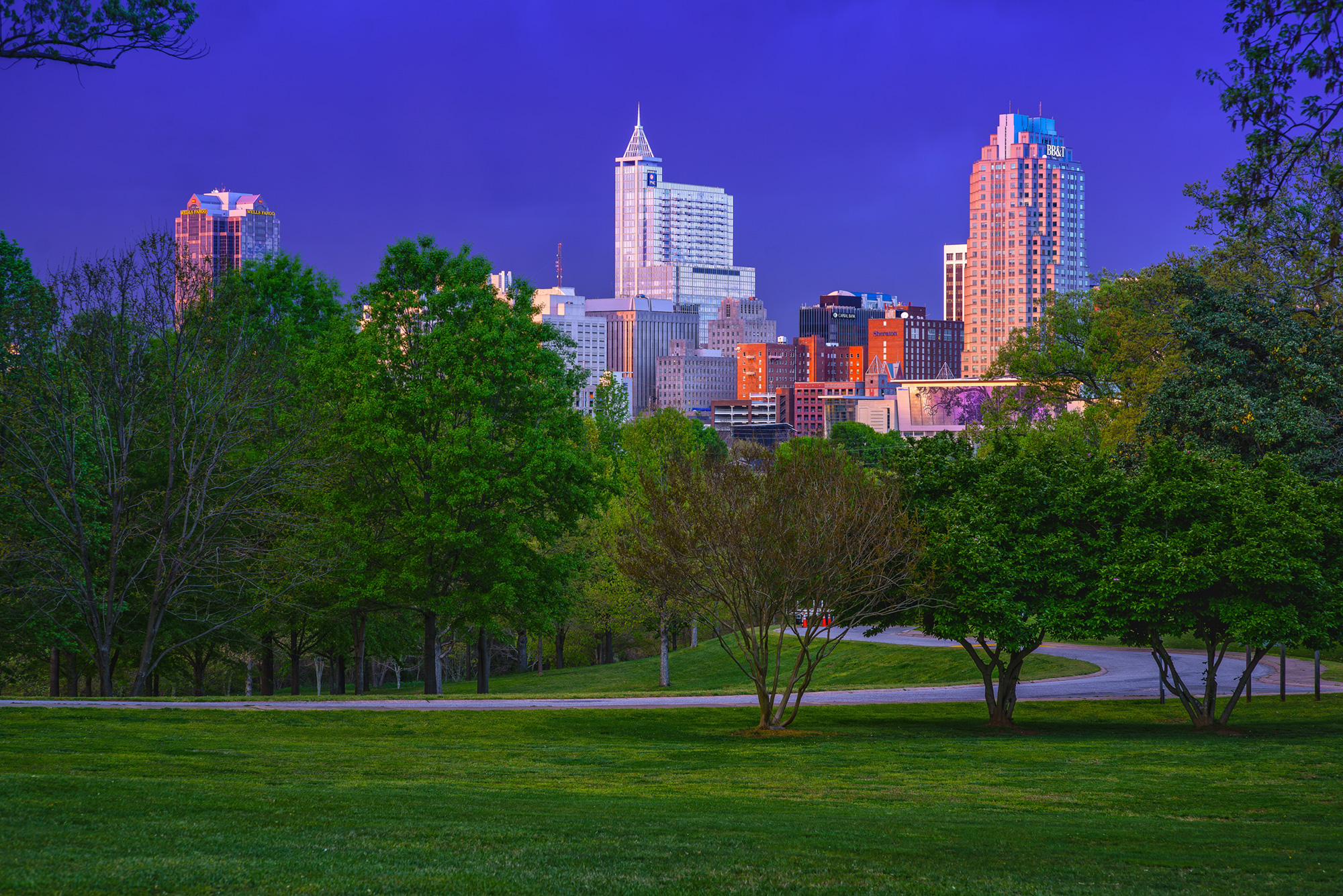
Raleigh is North Carolina's capital, but it doesn't particularly behave like a government town.

Raleigh

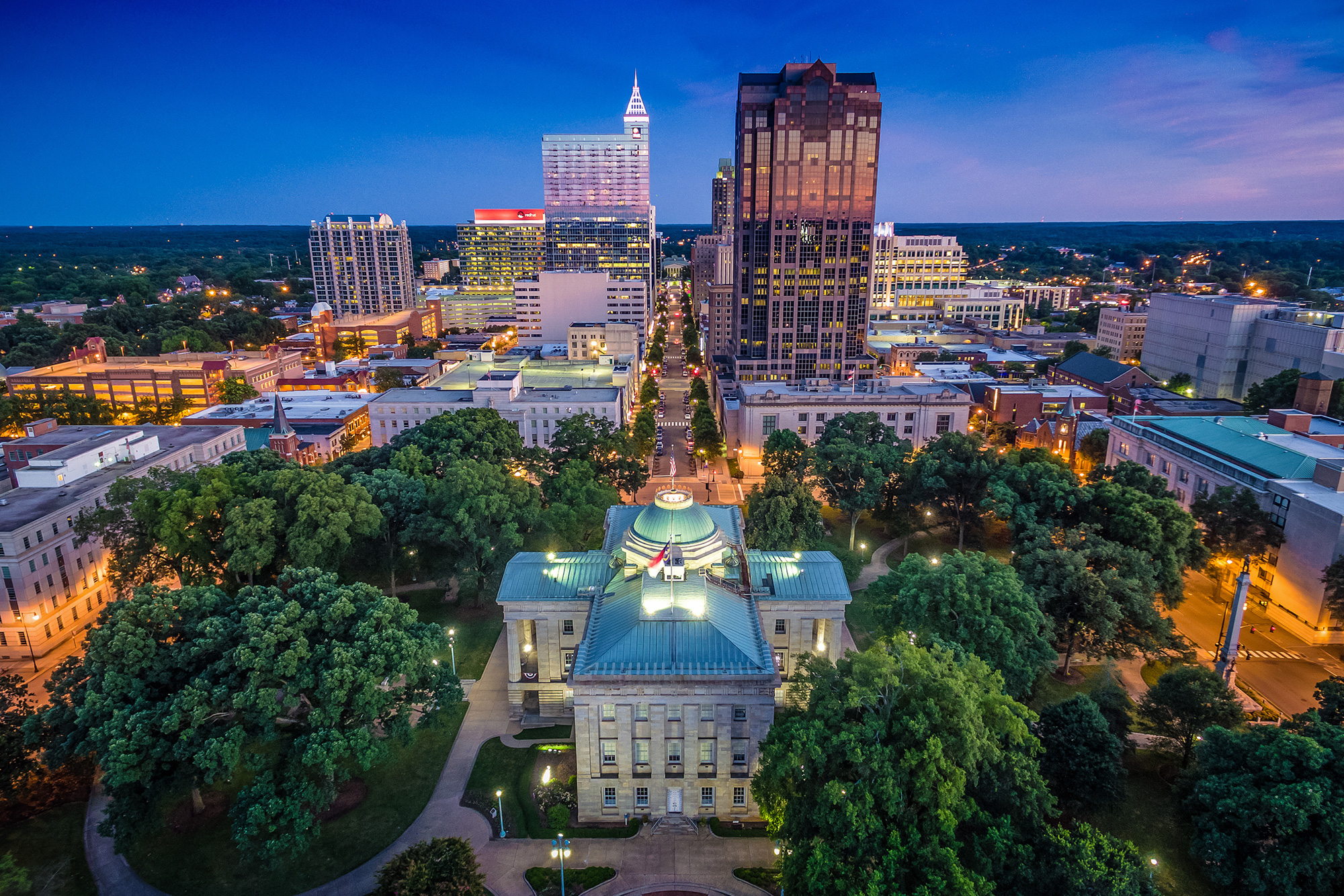
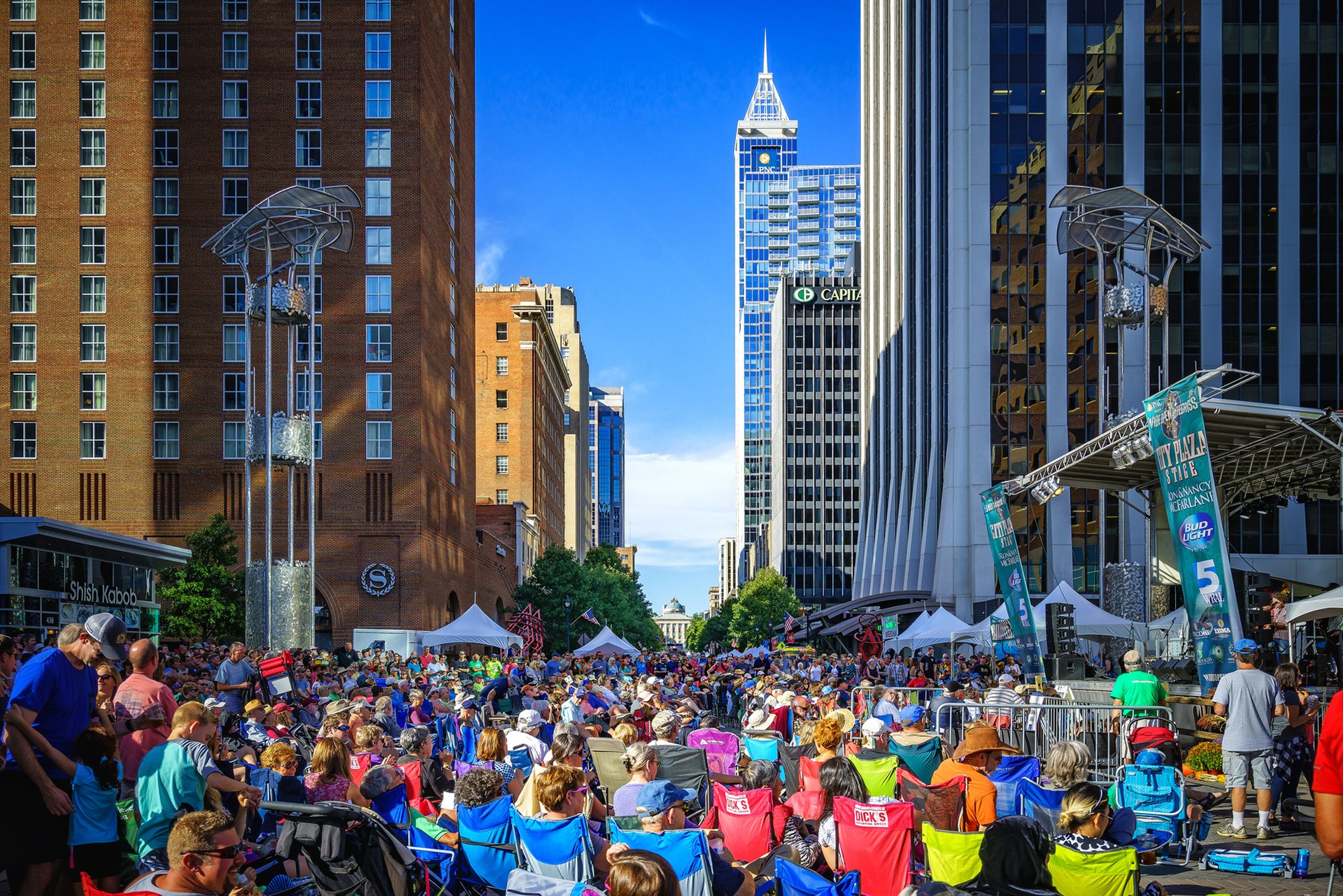
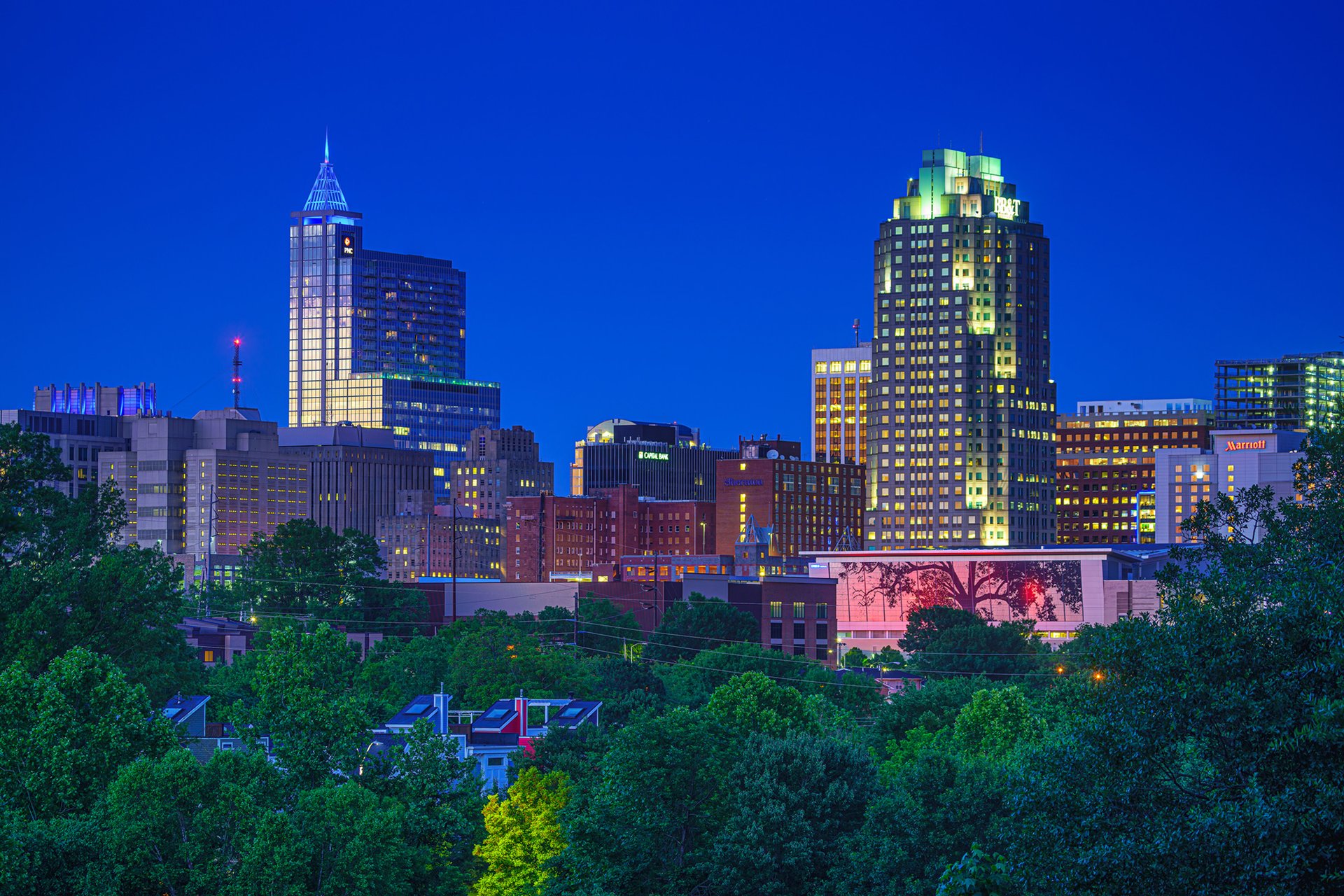
State government is certainly part of its identity. The now-ceremonial 1840 State Capitol still sits at the center of downtown, surrounded by government buildings, museums, offices and institutions that have shaped the city for generations. But Raleigh's modern personality comes from a much broader mixture of business, restaurants, sports, arts and neighborhoods.

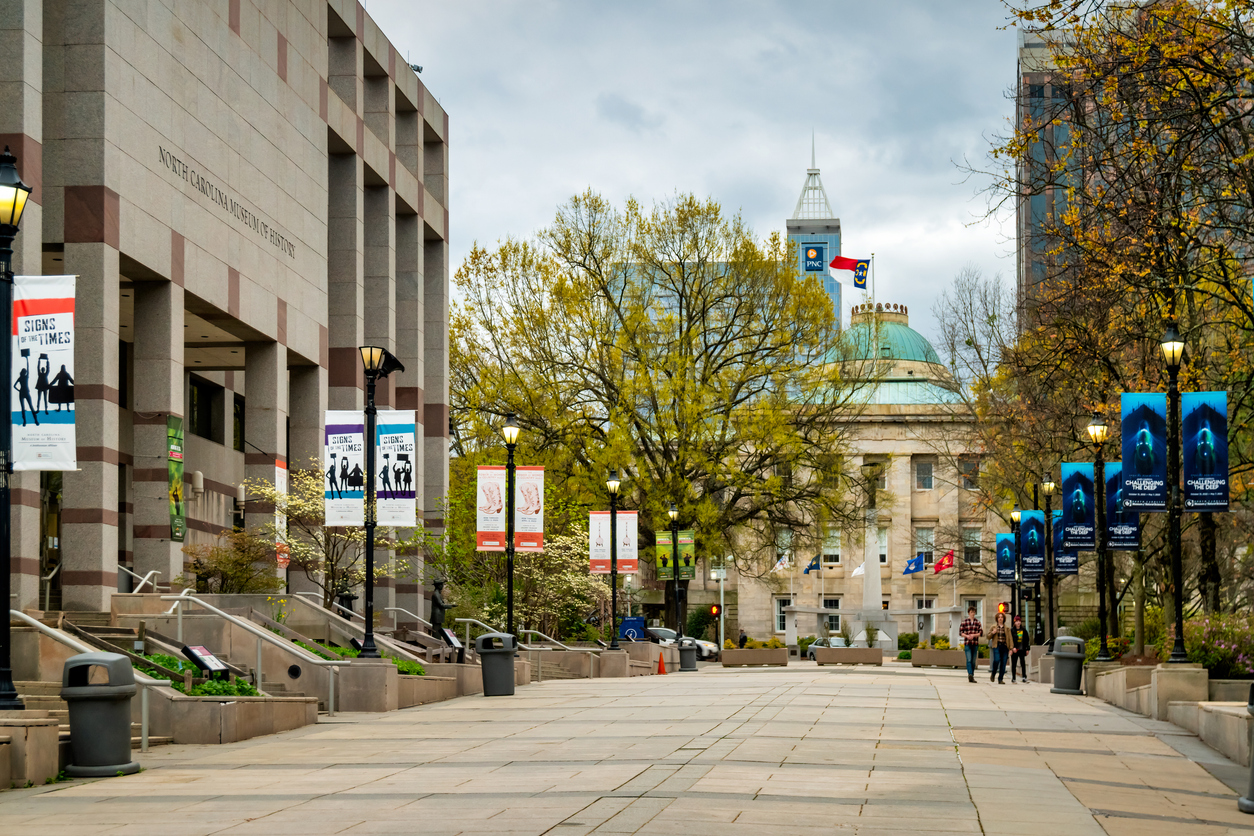
The arts deserve more than a passing mention. The North Carolina Symphony, North Carolina Museum of Art, North Carolina Museum of History, North Carolina Museum of Natural Sciences, Carolina Ballet and a variety of other performing arts organizations give a city of Raleigh's size an unusually deep cultural life.

As the former CEO of the North Carolina Symphony, David knows this particular corner of Raleigh better than most and remains admittedly biased in its favor.

Raleigh's nickname, the City of Oaks, isn't simply municipal branding. In older neighborhoods, streets curve beneath enormous trees and houses from completely different architectural periods comfortably coexist.

And Raleigh has neighborhoods. Lots of them.

Inside the Beltline

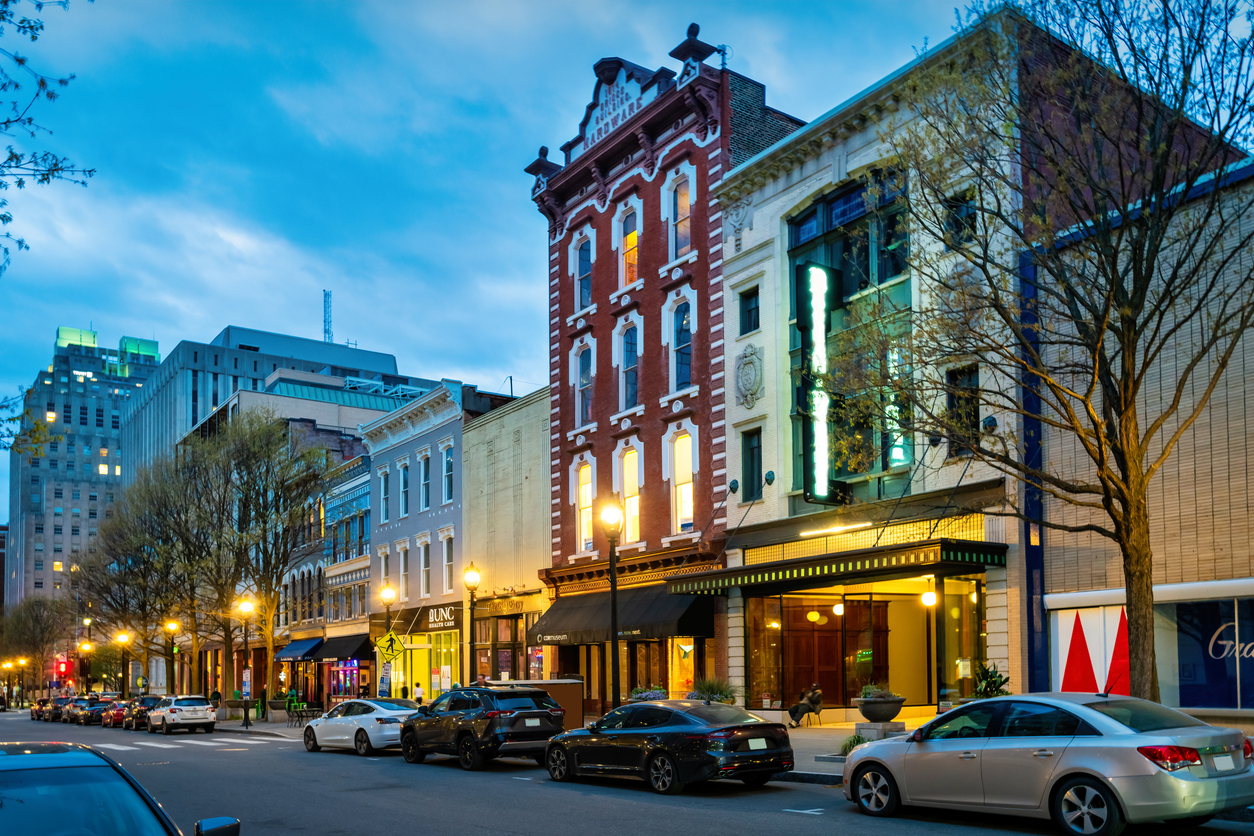
Downtown itself offers everything from modern high-rise condominiums to adaptive reuse projects such as The Hudson, once a department store, and The Cotton Mill, which began life in the late 19th century doing precisely what its name suggests.

Around downtown is a first ring of original neighborhoods, first built up from 1880 to the 1930s. Historic Oakwood contains an extraordinary collection of nineteenth- and early-twentieth-century homes. Mordecai—pronounced MOR-duh-kee, please—has bungalows, Craftsman homes and some of Raleigh's oldest residential history. Boylan Heights offers its own collection of early-twentieth-century houses on rolling streets just southwest of downtown. Glenwood-Brooklyn sits beside the Glenwood South entertainment district. Forest Park, formerly known as Cameron Park, has wide tree-lined streets, substantial historic houses and ties to neighboring NC State.

Move a little farther out and you reach some of Raleigh's most coveted addresses: Hayes Barton, Country Club Hills, Budleigh, Anderson Heights, Drewry Hills, Five Points and others. Hayes Barton in particular has been home to prominent Raleigh families for generations and contains everything from handsome brick traditional houses to extraordinary estates. But one of the pleasures of ITB Raleigh is that these neighborhoods aren't interchangeable. Five Points doesn't feel like Hayes Barton; Budleigh doesn't feel like Mordecai; Boylan Heights certainly doesn't feel like Country Club Hills.

Raleigh

Most were created long before homeowners associations became a standard feature of American development. Their boundaries can be surprisingly vague, but somehow everyone who lives here knows when they've crossed from one neighborhood into another.

Beyond the Beltline

Raleigh

Raleigh generally grew outward from downtown, so the age of its housing stock tends to become newer as you move north and west. Much of the area between I-440 and I-540 developed in the middle decades of the twentieth century, while farther north the 1980s, '90s and later brought increasingly large neighborhoods and planned communities.

North Hills—now usually folded into the broader “Midtown” label—has evolved dramatically from its origins as a suburban shopping center and surrounding neighborhoods. Nearby are Lakemont, North Ridge, Chestnut Hills and other communities that offer a very different residential experience from ITB while still feeling distinctly Raleigh. Farther out are Brier Creek, Wakefield and newer communities approaching the city's edges.

There are exceptions to every one of these generalizations. Historic houses exist far outside the Beltline, while spectacular new homes routinely replace older houses in the heart of ITB. That's Raleigh: a city old enough to have history but growing quickly enough that the map never seems entirely finished.

Durham

If Raleigh is polished and somewhat traditional, Durham is comfortable with being something else entirely.

Durham was once one of America's great tobacco cities, and the remnants of that industrial history—brick warehouses, factories and mills—have become one of its greatest assets. Old buildings have been transformed into apartments, restaurants, offices, shops and entertainment venues rather than erased, giving downtown Durham an architectural character quite different from Raleigh.

The American Tobacco Campus may be the most obvious example, but the broader transformation extends throughout downtown and into surrounding neighborhoods.

Durham has an independent streak and a little more edge. Its restaurant scene became nationally noticed before many people elsewhere had figured out that Durham had changed at all. The arts, music, food and startup cultures fit naturally alongside Duke University.

Historic and established residential areas include Trinity Park, Watts-Hillandale, Forest Hills, Duke Forest, Old West Durham and Hope Valley. Again, these aren't variations on one theme. Durham can move remarkably quickly from urban to leafy and residential, and then to rural as one travels outward.

Durham

Chapel Hill

Chapel Hill is the smallest of the Triangle's three principal communities and perhaps the easiest to identify within a few minutes of arriving.

The University of North Carolina at Chapel Hill is not merely located here; university and town have grown together for more than two centuries. Franklin Street forms their traditional meeting point, lined with restaurants, bars, shops and institutions that generations of students remember long after graduation.

Chapel Hill is greener, hillier and in many places quieter than newcomers expect. Residential streets wind rather than conform to a grid, and older neighborhoods can feel remarkably secluded despite being minutes from campus.

Chapel Hill

It also takes food seriously. Chapel Hill's reputation as a restaurant town long predates the current enthusiasm for describing every city with three chefs and a cocktail bar as a “foodie destination.” Crook's Corner helped put modern Southern cooking on the national map, while generations of restaurants in Chapel Hill and neighboring Carrboro have made eating well part of the local culture.

Carrboro, incidentally, deserves to be mentioned whenever Chapel Hill is discussed. Immediately west of the university, it has its own downtown, farmers market, music scene and personality—more casual, more bohemian and determinedly its own place despite the fact that a visitor can cross from Chapel Hill into Carrboro without realizing it.

When Carolina wins something important, Franklin Street becomes the town square. When Carolina beats Duke in something important, Franklin Street becomes something closer to a controlled civic emergency.

For people who don't care about basketball, life continues perfectly well. For everyone else, welcome to the rivalry.

Cary, Apex, Holly Springs & the Suburbs

One peculiarity of local geography is that North Raleigh isn't generally thought of as “the suburbs.” It's Raleigh. When Triangle residents talk about the suburbs, they're more often talking about the communities south and west of Raleigh—particularly Cary, Apex and Holly Springs—along with the towns radiating outward through Wake County. Cary is the giant among them. Its population has roughly doubled since the turn of the century, yet it continues to insist upon calling itself the Town of Cary, which is technically correct and increasingly amusing.

For decades Cary was known for immaculate subdivisions, pristine and manicured median strips, excellent recreational facilities, greenways and corporate office parks. All of that is still here, but Cary has become more interesting with age. Its historic downtown has come roaring back, with restaurants, dog- and hipster-friendly breweries, shops, a library and the spectacular Downtown Cary Park.

Apex has retained more of its traditional small-town form, with a walkable historic downtown and the wonderfully confident official slogan “The Peak of Good Living.” Holly Springs has grown enormously, while still maintaining a community identity separate from Raleigh and Cary.

Farther out, Fuquay-Varina, Wake Forest, Wendell, Knightdale and Zebulon offer still more variations. Some have historic downtowns; some have major new planned communities; most have changed dramatically as the Triangle's population has pushed outward.

Calling all of these places “the suburbs,” however, hides much of what distinguishes them. Commutes, schools, taxes, lot sizes, new construction, walkability and proximity to the things one actually does every day can matter much more than the number of miles separating one town from another.

Raleigh is North Carolina's capital, but it doesn't particularly behave like a government town.

State government is certainly part of its identity. The now-ceremonial 1840 State Capitol still sits at the center of downtown, surrounded by government buildings, museums, offices and institutions that have shaped the city for generations. But Raleigh's modern personality comes from a much broader mixture of business, restaurants, sports, arts and neighborhoods.

The arts deserve more than a passing mention. The North Carolina Symphony, North Carolina Museum of Art, North Carolina Museum of History, North Carolina Museum of Natural Sciences, Carolina Ballet and a variety of other performing arts organizations give a city of Raleigh's size an unusually deep cultural life. As the former CEO of the North Carolina Symphony, David knows this particular corner of Raleigh better than most and remains admittedly biased in its favor.

Raleigh's nickname, the City of Oaks, isn't simply municipal branding. In older neighborhoods, streets curve beneath enormous trees and houses from completely different architectural periods comfortably coexist.

And Raleigh has neighborhoods. Lots of them.

Downtown itself offers everything from modern high-rise condominiums to adaptive reuse projects such as The Hudson, once a department store, and The Cotton Mill, which began life in the late 19th century doing precisely what its name suggests.

Around downtown is a first ring of original neighborhoods, first built up from 1880 to the 1930s. Historic Oakwood contains an extraordinary collection of nineteenth- and early-twentieth-century homes. Mordecai—pronounced MOR-duh-kee, please—has bungalows, Craftsman homes and some of Raleigh's oldest residential history. Boylan Heights offers its own collection of early-twentieth-century houses on rolling streets just southwest of downtown. Glenwood-Brooklyn sits beside the Glenwood South entertainment district. Forest Park, formerly known as Cameron Park, has wide tree-lined streets, substantial historic houses and ties to neighboring NC State.

Move a little farther out and you reach some of Raleigh's most coveted addresses: Hayes Barton, Country Club Hills, Budleigh, Anderson Heights, Drewry Hills, Five Points and others. Hayes Barton in particular has been home to prominent Raleigh families for generations and contains everything from handsome brick traditional houses to extraordinary estates. But one of the pleasures of ITB Raleigh is that these neighborhoods aren't interchangeable. Five Points doesn't feel like Hayes Barton; Budleigh doesn't feel like Mordecai; Boylan Heights certainly doesn't feel like Country Club Hills.

Most were created long before homeowners associations became a standard feature of American development. Their boundaries can be surprisingly vague, but somehow everyone who lives here knows when they've crossed from one neighborhood into another.

Raleigh generally grew outward from downtown, so the age of its housing stock tends to become newer as you move north and west. Much of the area between I-440 and I-540 developed in the middle decades of the twentieth century, while farther north the 1980s, '90s and later brought increasingly large neighborhoods and planned communities.

North Hills—now usually folded into the broader “Midtown” label—has evolved dramatically from its origins as a suburban shopping center and surrounding neighborhoods. Nearby are Lakemont, North Ridge, Chestnut Hills and other communities that offer a very different residential experience from ITB while still feeling distinctly Raleigh. Farther out are Brier Creek, Wakefield and newer communities approaching the city's edges.

There are exceptions to every one of these generalizations. Historic houses exist far outside the Beltline, while spectacular new homes routinely replace older houses in the heart of ITB. That's Raleigh: a city old enough to have history but growing quickly enough that the map never seems entirely finished.

If Raleigh is polished and somewhat traditional, Durham is comfortable with being something else entirely.

Durham was once one of America's great tobacco cities, and the remnants of that industrial history—brick warehouses, factories and mills—have become one of its greatest assets. Old buildings have been transformed into apartments, restaurants, offices, shops and entertainment venues rather than erased, giving downtown Durham an architectural character quite different from Raleigh.

The American Tobacco Campus may be the most obvious example, but the broader transformation extends throughout downtown and into surrounding neighborhoods.

Durham has an independent streak and a little more edge. Its restaurant scene became nationally noticed before many people elsewhere had figured out that Durham had changed at all. The arts, music, food and startup cultures fit naturally alongside Duke University.

Historic and established residential areas include Trinity Park, Watts-Hillandale, Forest Hills, Duke Forest, Old West Durham and Hope Valley. Again, these aren't variations on one theme. Durham can move remarkably quickly from urban to leafy and residential, and then to rural as one travels outward.

Chapel Hill is the smallest of the Triangle's three principal communities and perhaps the easiest to identify within a few minutes of arriving.

The University of North Carolina at Chapel Hill is not merely located here; university and town have grown together for more than two centuries. Franklin Street forms their traditional meeting point, lined with restaurants, bars, shops and institutions that generations of students remember long after graduation.

Chapel Hill is greener, hillier and in many places quieter than newcomers expect. Residential streets wind rather than conform to a grid, and older neighborhoods can feel remarkably secluded despite being minutes from campus.

It also takes food seriously. Chapel Hill's reputation as a restaurant town long predates the current enthusiasm for describing every city with three chefs and a cocktail bar as a “foodie destination.” Crook's Corner helped put modern Southern cooking on the national map, while generations of restaurants in Chapel Hill and neighboring Carrboro have made eating well part of the local culture.

Carrboro, incidentally, deserves to be mentioned whenever Chapel Hill is discussed. Immediately west of the university, it has its own downtown, farmers market, music scene and personality—more casual, more bohemian and determinedly its own place despite the fact that a visitor can cross from Chapel Hill into Carrboro without realizing it.

When Carolina wins something important, Franklin Street becomes the town square. When Carolina beats Duke in something important, Franklin Street becomes something closer to a controlled civic emergency.

For people who don't care about basketball, life continues perfectly well. For everyone else, welcome to the rivalry.

One peculiarity of local geography is that North Raleigh isn't generally thought of as “the suburbs.” It's Raleigh.

When Triangle residents talk about the suburbs, they're more often talking about the communities south and west of Raleigh—particularly Cary, Apex and Holly Springs—along with the towns radiating outward through Wake County.

Cary is the giant among them. Its population has roughly doubled since the turn of the century, yet it continues to insist upon calling itself the Town of Cary, which is technically correct and increasingly amusing.

For decades Cary was known for immaculate subdivisions, pristine and manicured median strips, excellent recreational facilities, greenways and corporate office parks. All of that is still here, but Cary has become more interesting with age. Its historic downtown has come roaring back, with restaurants, dog- and hipster-friendly breweries, shops, a library and the spectacular Downtown Cary Park.

Apex has retained more of its traditional small-town form, with a walkable historic downtown and the wonderfully confident official slogan “The Peak of Good Living.” Holly Springs has grown enormously, while still maintaining a community identity separate from Raleigh and Cary.

Farther out, Fuquay-Varina, Wake Forest, Wendell, Knightdale and Zebulon offer still more variations. Some have historic downtowns; some have major new planned communities; most have changed dramatically as the Triangle's population has pushed outward.

Calling all of these places “the suburbs,” however, hides much of what distinguishes them. Commutes, schools, taxes, lot sizes, new construction, walkability and proximity to the things one actually does every day can matter much more than the number of miles separating one town from another.

EATING, SHOPPING & GOING OUT

The Triangle's restaurant scene has become genuinely good, but it didn't happen all at once or in the same way everywhere.

Durham developed a reputation for inventive independent restaurants and adaptive urban spaces. Chapel Hill and Carrboro have a long food tradition influenced by the university and surrounding agricultural community. Raleigh's restaurant scene expanded dramatically as downtown, Glenwood South, North Hills and other districts developed.

And then there is barbecue.

North Carolinians can argue about barbecue with an intensity normally reserved for politics and college basketball. Eastern style, Lexington style, chopped, pulled, vinegar, tomato—these distinctions matter. The Triangle happens to sit in a useful geographic position from which to conduct further research.

The region has no shortage of nationally known chefs and restaurants, but David and Emma keep their own ever-changing list of favorites and are always happy to offer an opinion—sometimes several—about where to eat.

Shopping is similarly dispersed. North Hills combines shopping, restaurants, offices and residential development. Village District—still “Cameron Village” to Raleigh residents regardless of what the signs say—is one of the city's longstanding shopping districts. Fenton has created a newer version of the mixed-use model in Cary, while The Streets at Southpoint serves Durham and the western Triangle.

But some of the most enjoyable places are the smaller ones: independent stores in downtown Apex, galleries in Carrboro, neighborhood shops in Five Points or an old Raleigh institution that has somehow survived everything built around it

THINGS TO DO

One of the Triangle's advantages is that it doesn't require a single definition of recreation.

William B. Umstead State Park sits close to both Raleigh and Cary and offers thousands of acres of forest and trails in the middle of a major metropolitan region. Falls Lake and Jordan Lake provide boating, paddling, fishing and miles of shoreline. Raleigh, Cary and other municipalities have invested heavily in greenways, creating trail networks that increasingly connect neighborhoods, parks and commercial districts.

The museums are unusually good, particularly the North Carolina Museum of Art—with its remarkable 164-acre outdoor park—and the North Carolina Museum of Natural Sciences downtown. The neighboring North Carolina Museum of History is currently undergoing a major renovation, with reopening planned for 2028.

Professional sports include Durham Bulls baseball, North Carolina Courage soccer and, of course, the Carolina Hurricanes, whose 2026 Stanley Cup gave the region its second championship and reminded everyone just how thoroughly a nontraditional hockey market can lose its mind over hockey.

And while the Triangle has plenty to occupy a weekend, its location makes leaving easy too. The coast and mountains are close enough that neither requires much advance planning.

The Triangle isn't the mountains and it isn't the coast. It isn't an enormous city, nor is it really a collection of small towns anymore.

It's somewhere in between—and increasingly comfortable being exactly that.

Work With David

Whether navigating the Triangle or the High Country, David brings discretion, market insight, and attentive service to every move. Each experience is tailored to the client, from the first conversation through the final closing.

Follow Me on Instagram