This region of rolling mountain landscapes, small towns and four very distinct seasons is known simply as North Carolina’s High Country. Centered around Boone, Blowing Rock and Banner Elk, and spanning much of Watauga and Avery Counties, this is where the Blue Ridge Mountains meet southern Appalachia—and where life moves at a noticeably gentler pace than it does a few hours down the road in Raleigh.

The scenery is the obvious attraction, but it’s hardly the only one. The High Country has long drawn people for hiking, skiing, golf, fishing and simply escaping the summer heat. Over time, it has also become home to an interesting mix of longtime locals, Appalachian State students and alumni, retirees and second-home owners who may have originally intended to spend a few weeks here and gradually found themselves spending a few months instead.
The temperature on any given day is likely to be 10 to 20 degrees cooler than in Raleigh. Snowfall is considerably greater, although even that varies remarkably within the region—Banner Elk and the higher elevations can see substantially more snow than Blowing Rock in the same winter.
Elevation matters here, but not always in the ways newcomers expect. Higher doesn't automatically mean a better view; some of the most breathtaking vistas in the High Country can be found at 2,500 feet, while plenty of homes at 4,000 feet look directly into the trees. Elevation does, however, affect temperature, weather, vegetation and the experience of living in a particular spot.
Real estate is equally varied. There are cabins tucked into the woods, historic cottages within walking distance of town, contemporary new construction, ski-in/ski-out properties, golf communities and remarkable mountain estates with views extending for miles. Some buyers become enamored with a specific town or location within the mountains; other times, where the home is specifically doesn’t matter nearly as much as the view from the back porch. And yet others decide that a single-family home isn’t at all what they want in a second home. For them, a condo or lock-it-and-leave-it townhome in a planned community like Echota or Chetola might be the right solution.
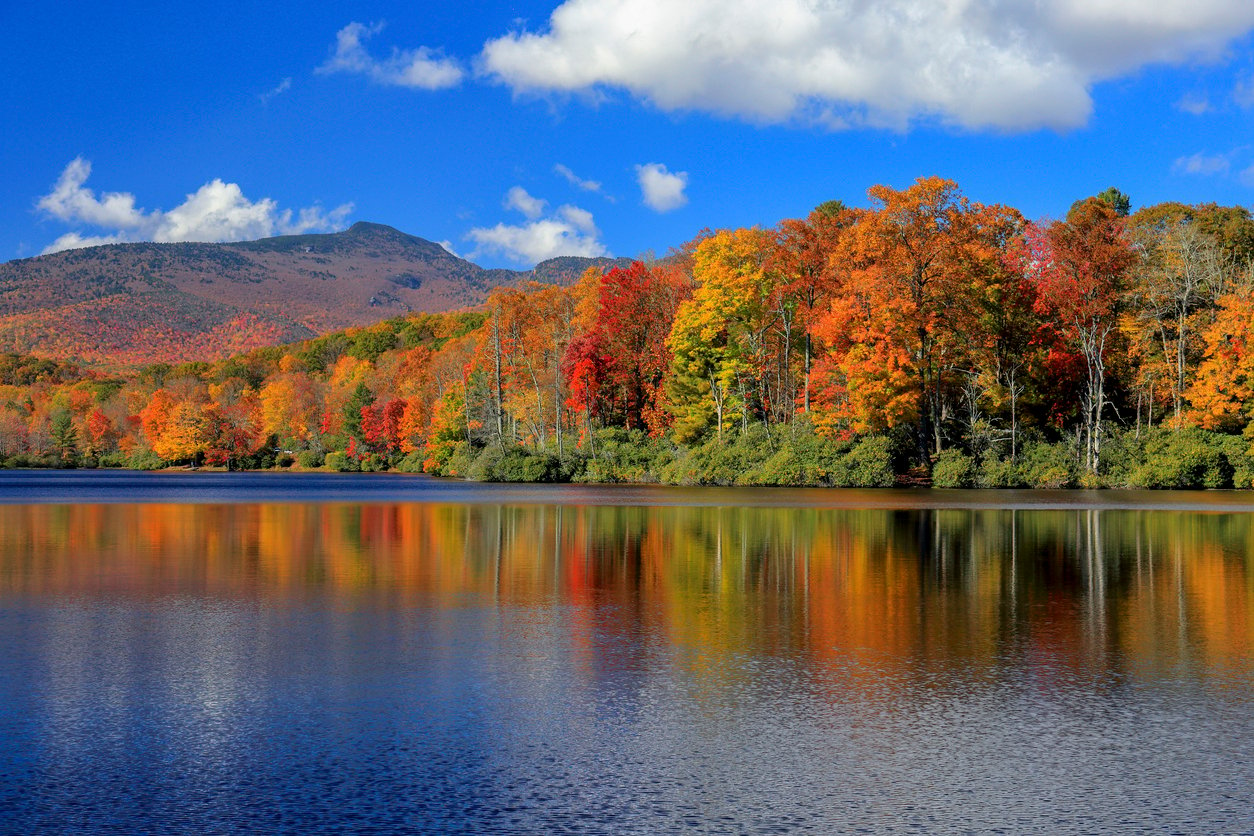
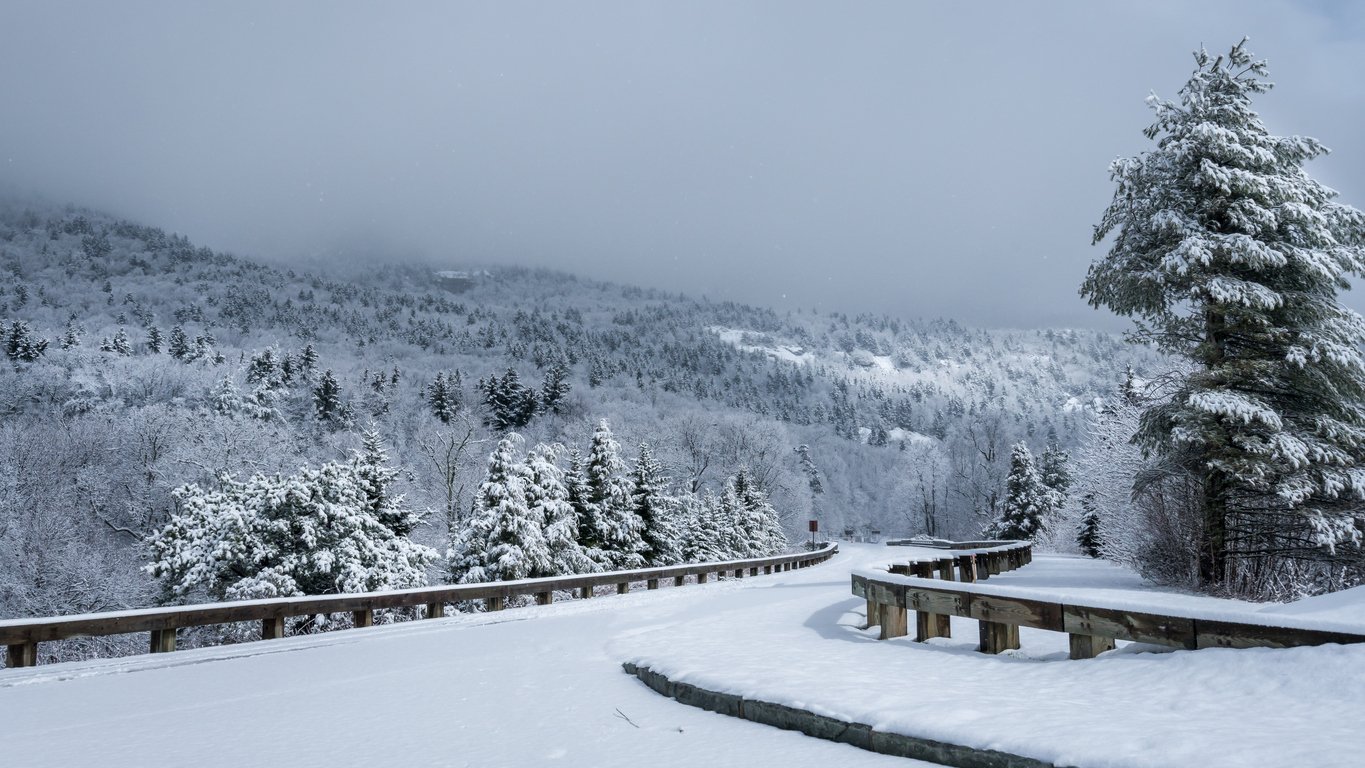
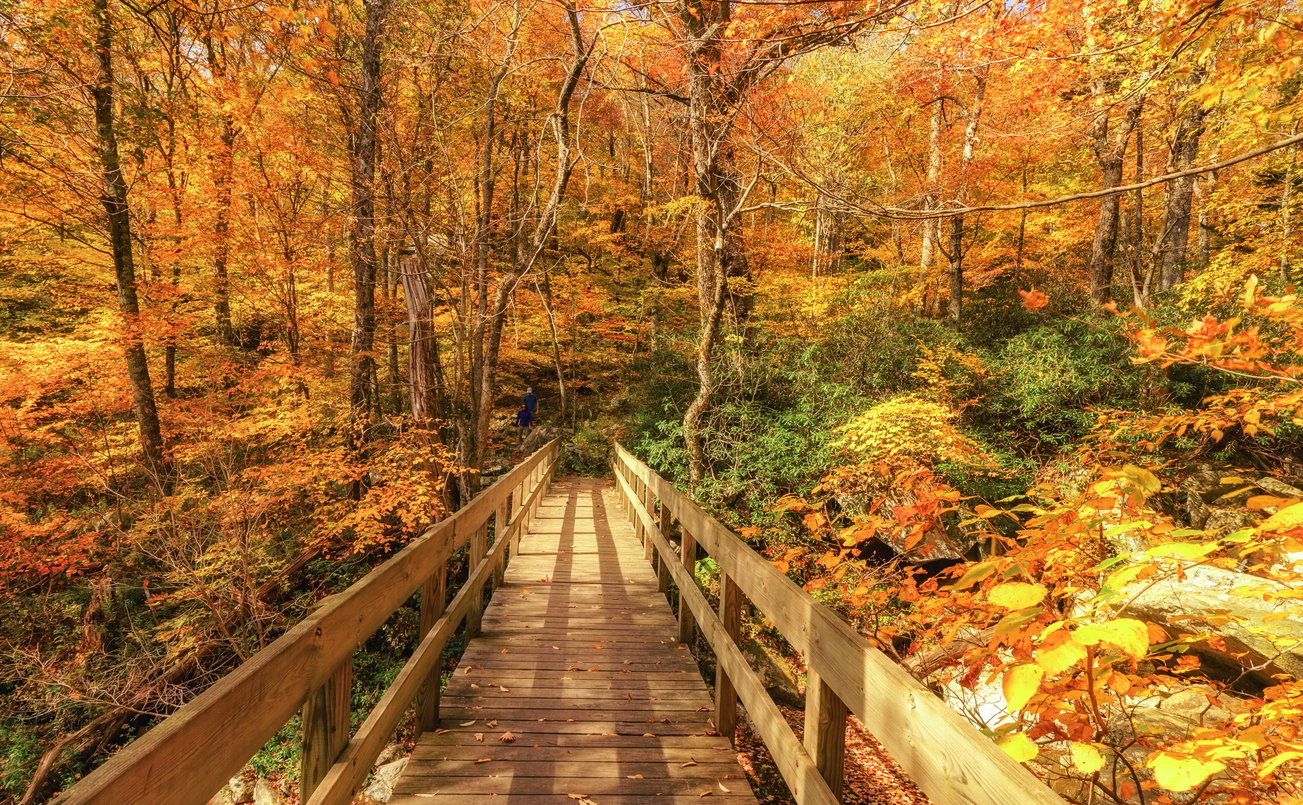
Life here really does follow the seasons. Fall brings spectacular foliage and tourists from afar who come just to see it. Winter means skiing and snow. Spring arrives later than it does in Raleigh, and summer—with mild days and cool evenings—is when those of us from the Piedmont are reminded just how hot it is back home. Somehow the patio, the deck, the outdoor dining and hammock get much more use up here in the mountains.
The real estate market follows those seasons, too. Raleigh has a fairly traditional spring selling season; the mountains are different. Here there are essentially three: golf season, foliage season and snow season. Different properties and different parts of the High Country can have their own moment when they show particularly well.
Boone, Blowing Rock and Banner Elk are the three names newcomers hear most often, but treating them as separate islands is misleading. They’re connected by mountain roads, and much of the most interesting real estate lies somewhere in between.
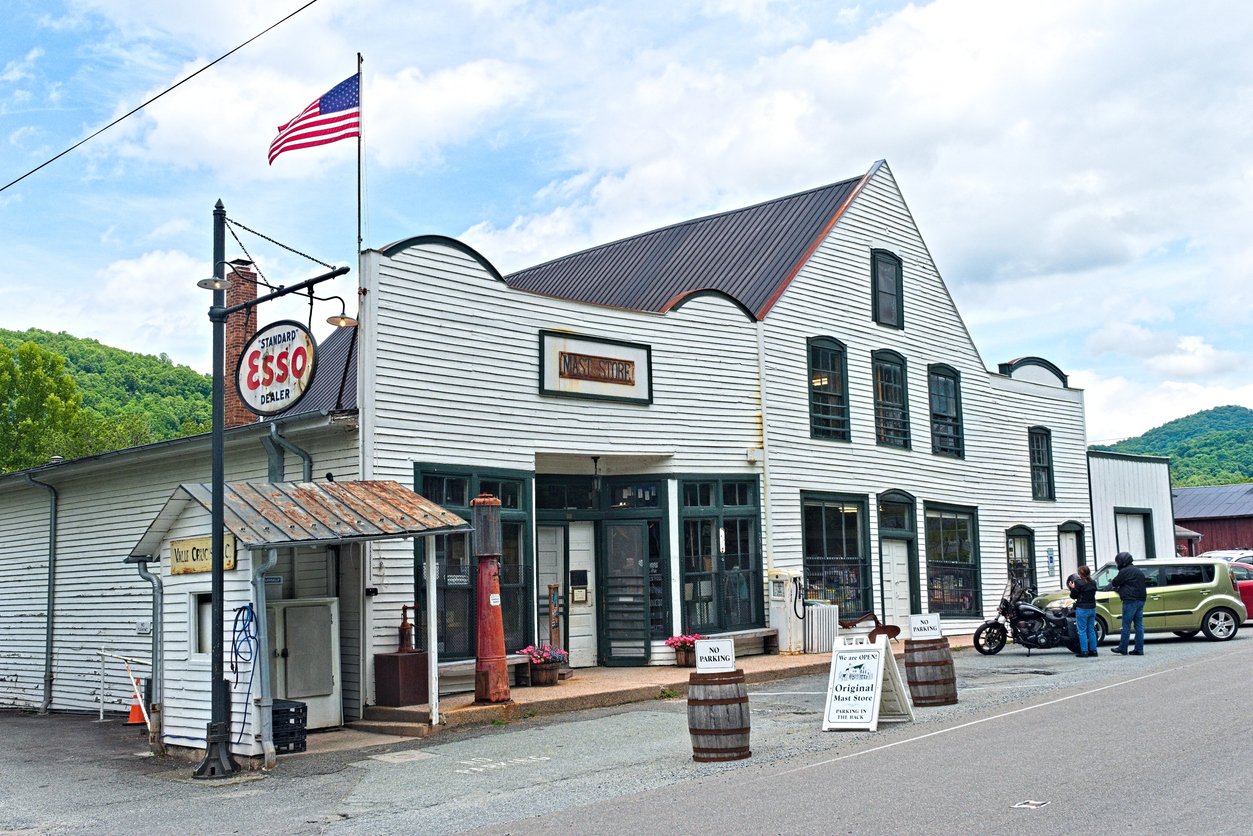
Valle Crucis is a good example. Tucked into the Watauga River valley between Boone and Banner Elk, it feels less like a town in the conventional sense and more like a place that has evolved organically around farms, old homes, churches and the river. The original Mast General Store has been there since the nineteenth century, but Valle Crucis itself is the attraction: pastoral, historic and remarkably peaceful considering how close it is to everything else. Both the Mast General Store and Mast Farm are listed on the National Register of Historic Places.
Linville has an altogether different personality. Smaller and quieter, it is closely associated with Grandfather Mountain and some of the High Country's oldest golf and summer communities. It has the feeling of an earlier era of mountain life—less about a downtown and more about established communities, clubs, old trees and families who have been coming to the mountains for generations.
Then there are places that don't fit neatly into any town at all. Blue Ridge Mountain Club, between Boone and Blowing Rock, is one of the clearest examples. At more than 6,000 acres, with an extensive trail system, restaurants and gathering spaces, fitness facilities, pools and other amenities, it operates on a scale unlike most newer High Country developments. Its paved roads, community water and sewer and fiber internet also remove some of the practical complications that come with owning a more traditional mountain property. For buyers who want the mountains but also want amenities, newer infrastructure and relatively little adventure simply getting to their front door, it represents a very different version of High Country living. Eagle’s Nest development is similar, but located on the west side of Banner Elk so a bit further from things.
And that brings us to something worth discussing: owning a mountain house is different, especially if it’s a second home and not one you’ll have eyes on every day.
A home here can come with considerations that rarely enter the conversation in Raleigh. Elevation matters. So does which direction the house faces. Water may come from a well; wastewater may go into a septic system. Roads can be public, private, paved, gravel or something that tests one's definition of the word “road.” A driveway that seems perfectly reasonable in July may inspire different thoughts in January.
Stormwater management matters enormously on sloping land. So do drainage, retaining walls, tree maintenance and erosion. Private-road maintenance agreements deserve attention. Internet and cell service shouldn't be assumed simply because the house is expensive. And anyone planning to spend substantial time here should at least think about backup power.
Distance works differently in the mountains, too. A house that's seven miles from town may be ten minutes away—or twenty-five minutes away involving a road that causes first-time visitors to reconsider several of their life choices.
None of these things should discourage someone from owning a mountain home. They are simply part of understanding what you're buying.
On a sobering note, Hurricane Helene made that understanding considerably more serious. When Helene struck western North Carolina in September 2024, the destruction was unlike anything the region had ever witnessed. Roads disappeared. Bridges washed away. Communities were isolated, water systems failed and hundreds of thousands of people across western North Carolina lost power.
This topic is important here because Helene also changed the way we think about some very ordinary features of a house. Where does the water go during an extraordinary rain event? Is the culvert large enough? What's above the property? What's below it? If the power is out for days rather than hours, is there a generator? If a private road washes out, who repairs it?
The storm also revealed something much larger than real estate. The losses were not evenly distributed, and many of the people least able to absorb them suffered enormously. At the same time, the response from neighbors, volunteers, churches, businesses, first responders and complete strangers was extraordinary. Recovery has taken years rather than weeks, and in some places continues today.
Helene doesn't define the High Country. But it is now part of its history, and for anyone who lived through it, part of our understanding of what it means to live in the mountains.
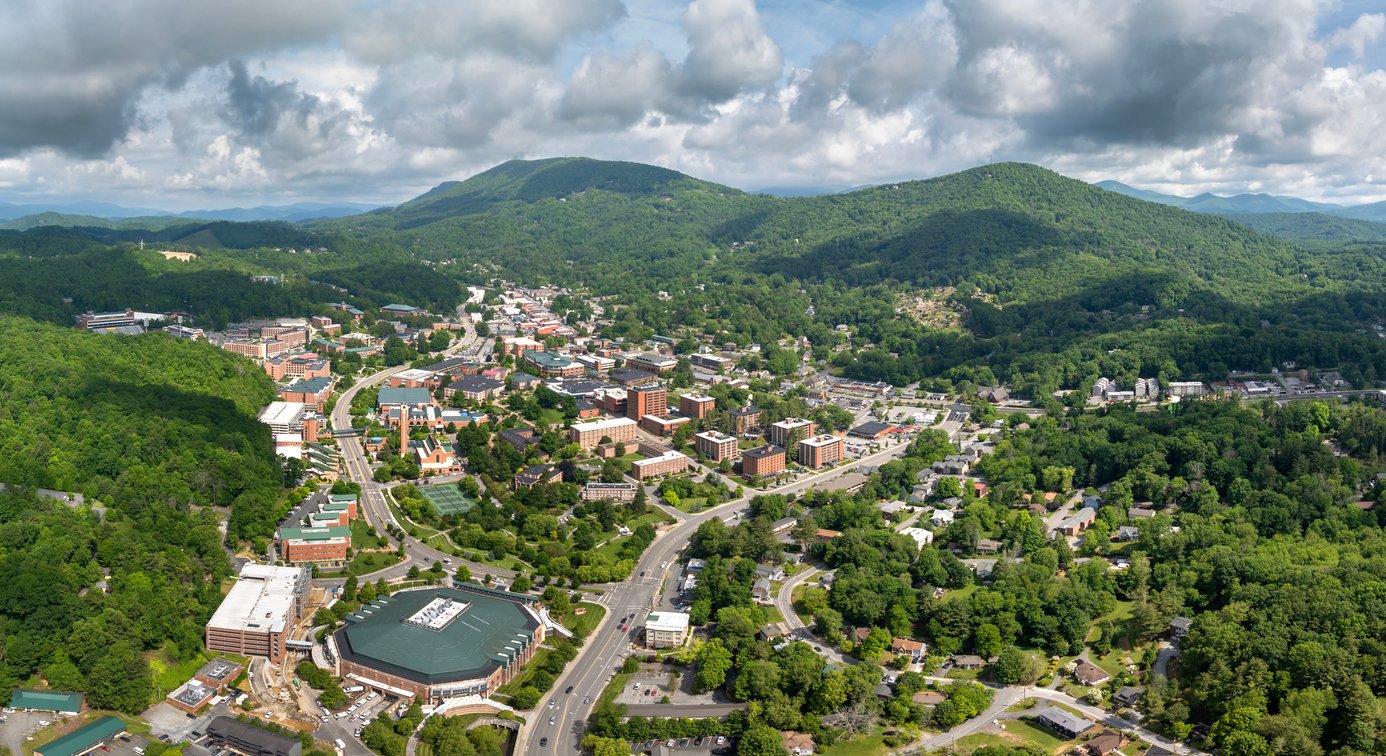
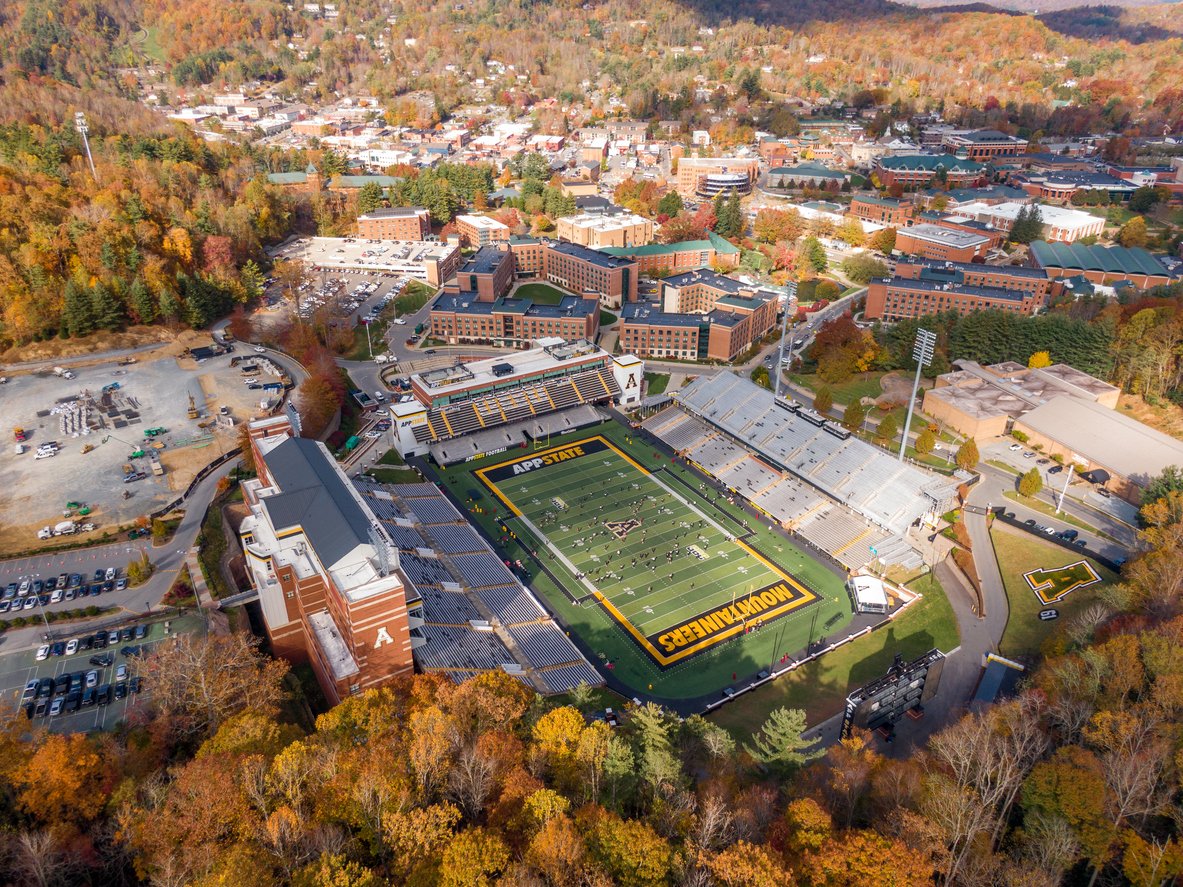
It’s impossible to explain Boone without talking about Appalachian State University. One of the University of North Carolina system’s 17 constituent institutions, App State brings something unusual to a mountain community: thousands of young people, Division I sports, concerts, lectures, theater, art and the unmistakable energy of a college town.
The Mountaineers play football at Kidd Brewer Stadium, one of the most picturesque settings in college football. And App State will hopefully always be remembered for engineering what many consider the greatest upset in the history of the sport: blocking a last-second field goal to beat #5 Michigan in Ann Arbor in 2007. More recently, the Mountaineers knocked off #6 Texas A&M in College Station in 2022. Go App.
Football and ESPN College GameDay may get more attention, but the university itself is exceptional, with a broad range of undergraduate and graduate programs. Alumni and locals greet one another with “It’s great to be a Mountaineer,” and you don't have to spend much time in Boone to understand that App State's relationship with the town extends well beyond the campus.
That presence helps support a downtown filled with independent restaurants, coffee shops, breweries, bookstores and live music. It also makes Boone feel quite different from the other towns nearby. For someone who likes the mountains but doesn't necessarily want mountain life to feel sleepy, that can be a very appealing combination.
There is no shortage of things to do here, although one of the pleasures of having a place in the mountains is that you don't necessarily have to do any of them.
A few institutions deserve mention. The original Mast General Store in Valle Crucis is a genuine destination and has been part of the community since the nineteenth century. Tweetsie Railroad, between Boone and Blowing Rock, has been entertaining children (and obliging their parents to ride along) for generations. Grandfather Vineyard & Winery combines wine tastings, live music and a setting along the Watauga River that makes lingering remarkably easy.
Eating well isn't difficult either. On the rustic—and, okay, somewhat touristy—side, it's hard to come up with anything much more mountain-ish than Gamekeeper Restaurant. The Speckled Trout in Blowing Rock and Banner Elk Cafe & Tavern are also longtime favorites. At the other end of the spectrum, Artisanal Restaurant in Banner Elk is arguably one of the finest restaurants in North Carolina, while Gideon Ridge and Daingerfield's make Blowing Rock surprisingly formidable for a town of its size.
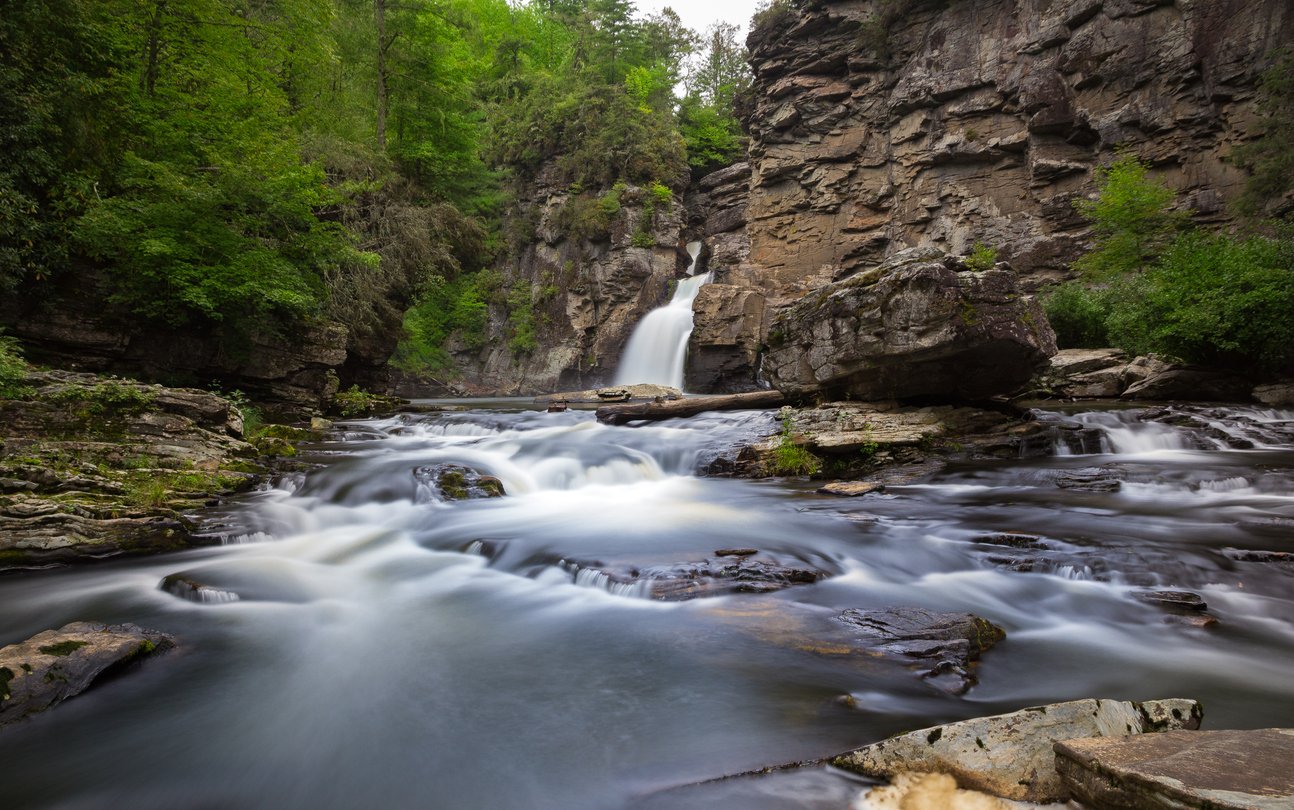
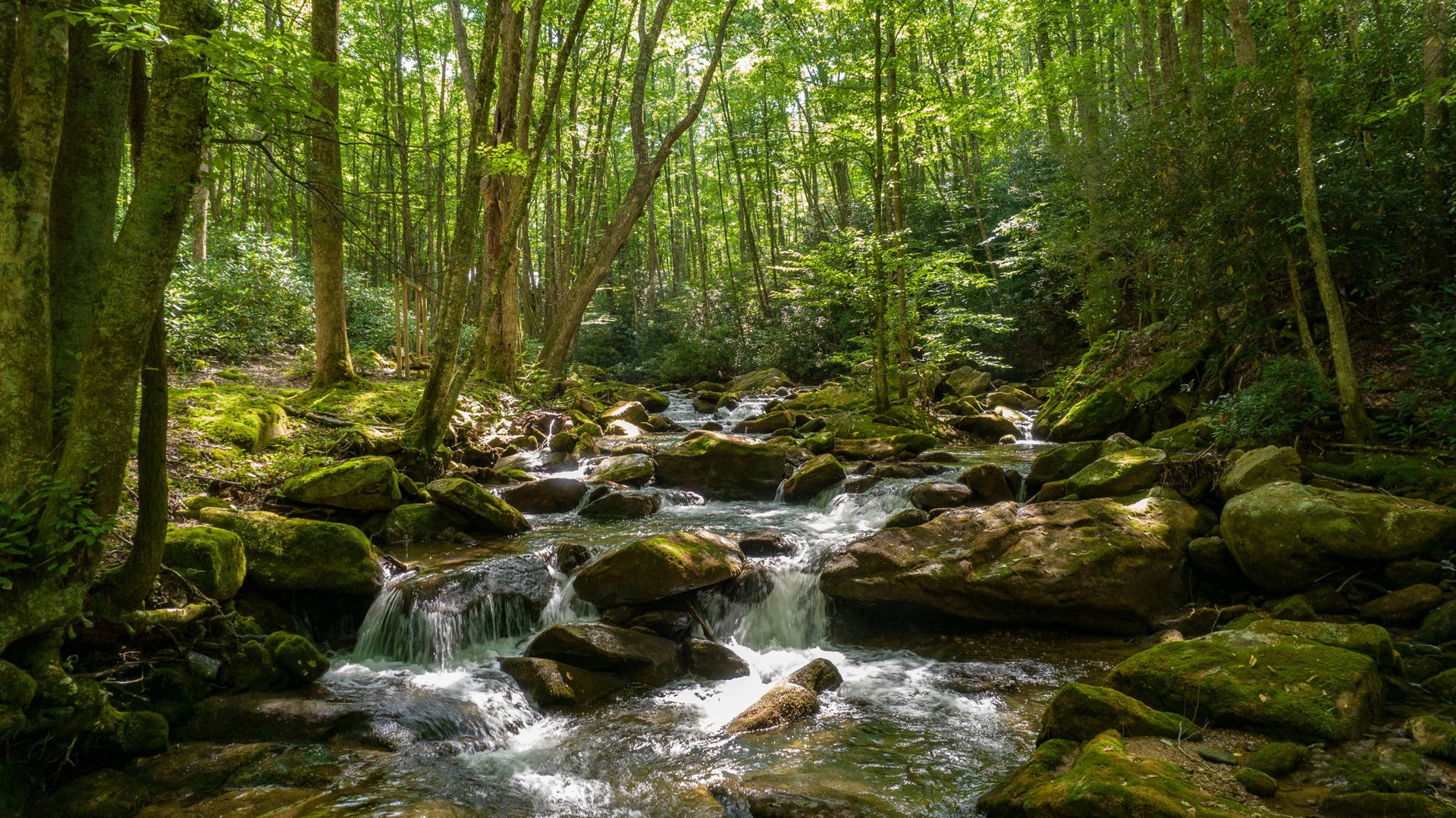
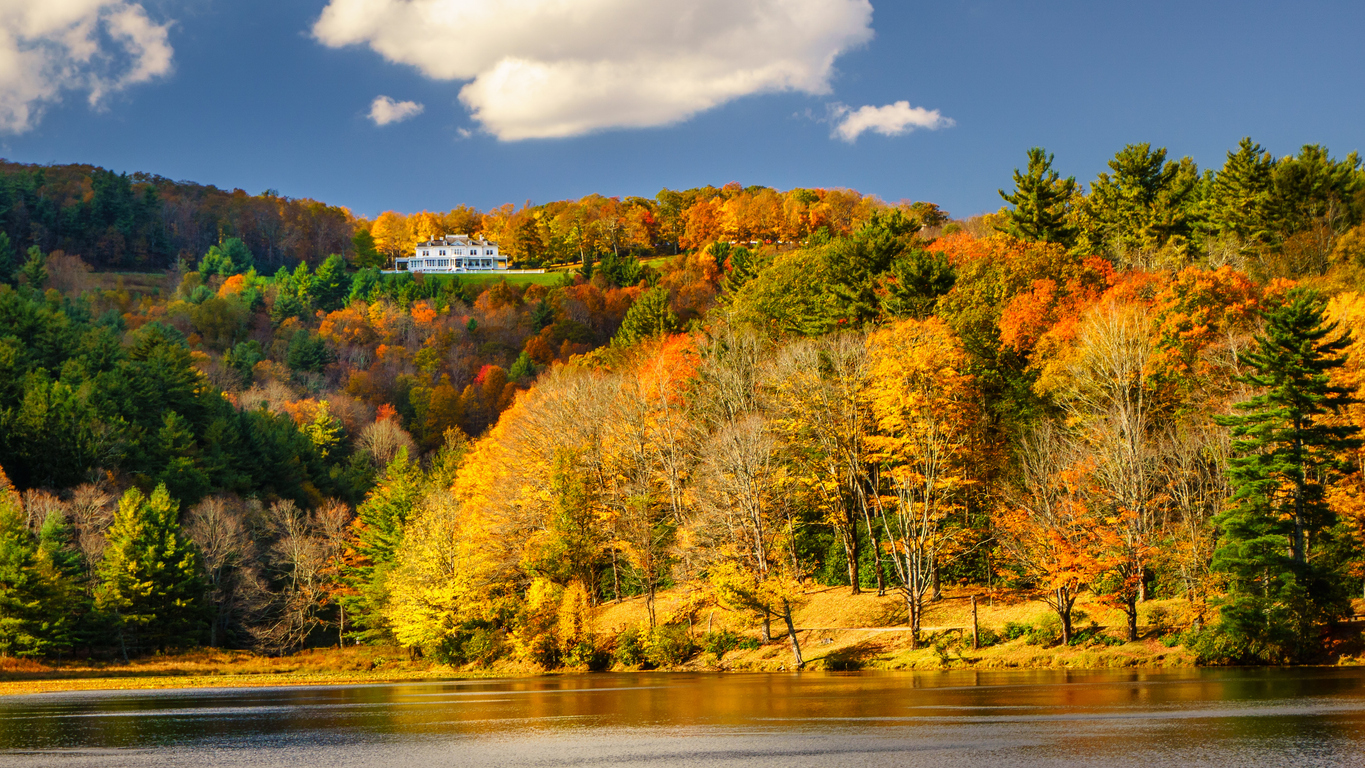
Outdoor recreation, of course, is everywhere. The Blue Ridge Parkway winds through the region and is spectacular at almost any time of year (during peak foliage, be warned, you will have plenty of company). Moses H. Cone and Julian Price Memorial Parks offer miles of trails, lakes and open space. The Watauga River and its tributaries provide some wonderful fly fishing and paddling, while countless smaller creeks and streams seem to appear wherever the road dips into another valley.
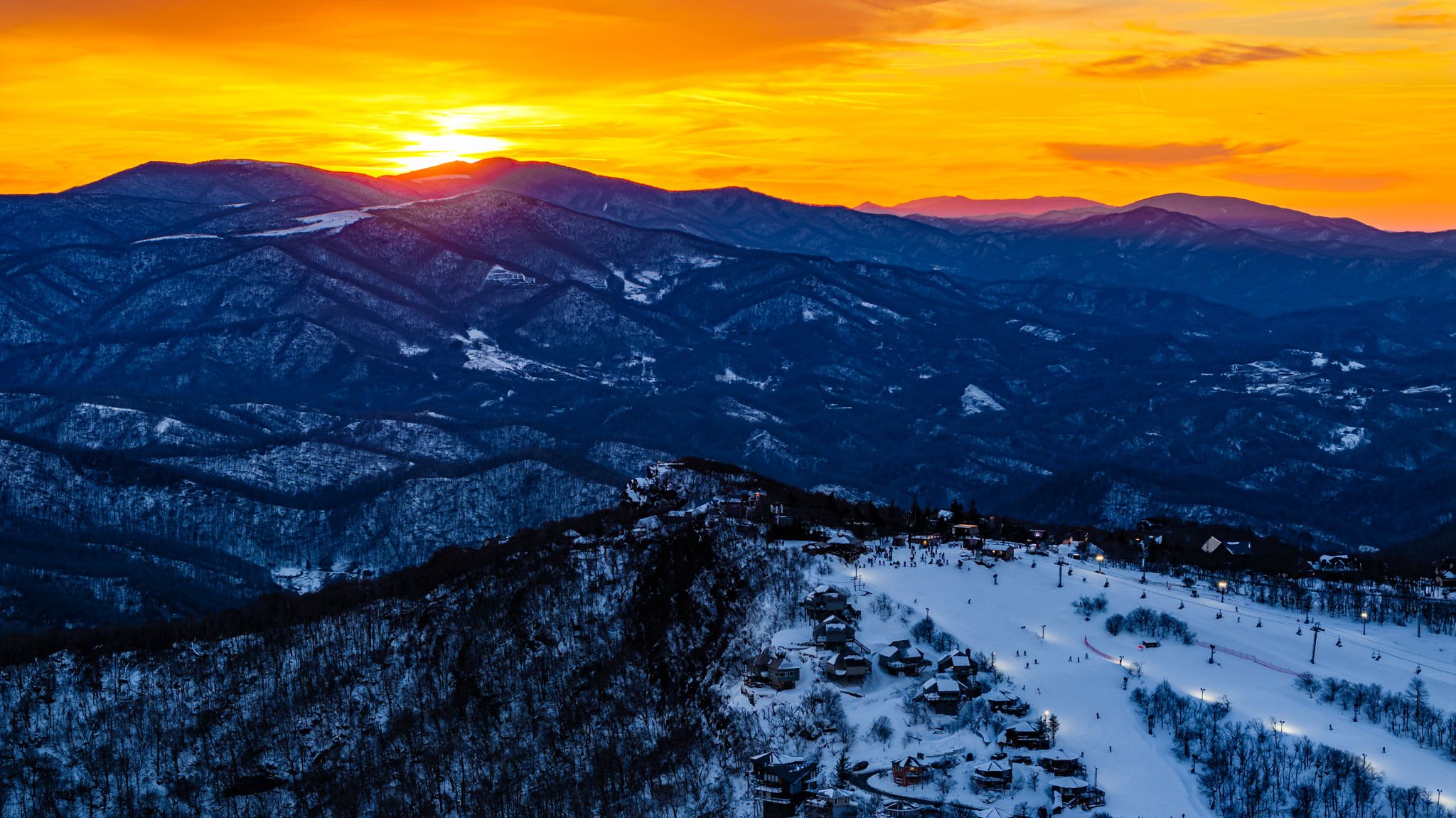
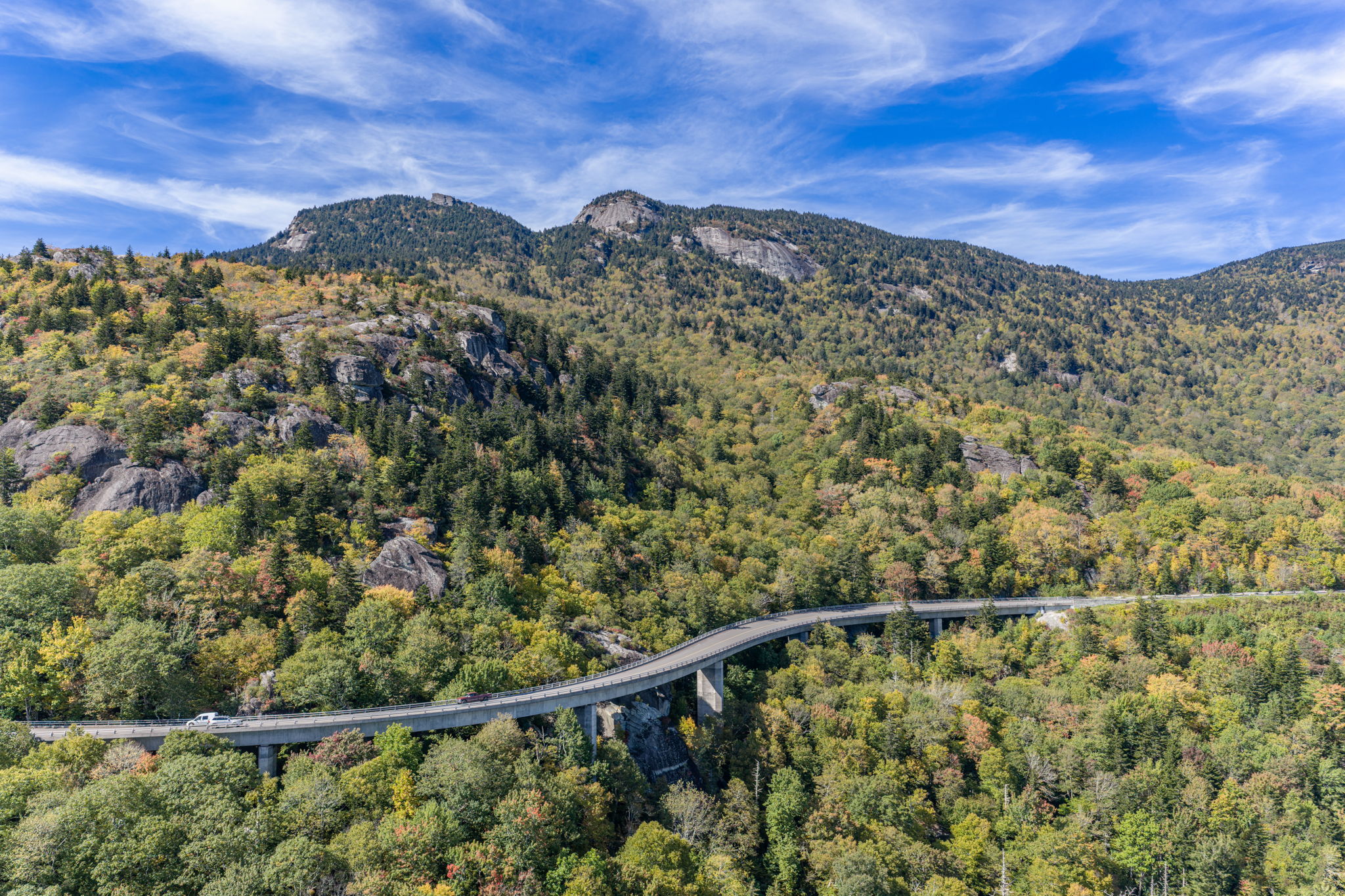
Grandfather Mountain, Rough Ridge and the Linn Cove Viaduct provide some of the region's most famous views and most photographed scenery. There is horseback riding, kayaking and hiking ranging from an easy afternoon walk to something considerably more ambitious. Winter brings skiing and snowboarding at Beech Mountain, Sugar Mountain and Appalachian Ski Mountain. Golf is equally serious business here, with communities including Linville, Grandfather, Elk River and Diamond Creek among the best-known names.
The High Country also has a wonderfully peculiar collection of traditions. Your education isn't really complete until you've attended Banner Elk's Woolly Worm Festival, where caterpillars are enlisted to predict the coming winter, or the four-day Grandfather Mountain Highland Games in Linville, complete with Scottish athletics, dancing and enough bagpipes to remove any doubt about where you've ended up.
App State's annual An Appalachian Summer Festival brings orchestras, chamber music, dance and theater to venues around Boone. Or you can spend an afternoon wandering the galleries and shops of Blowing Rock and finish with ice cream from Kilwins or Blue Deer.
And sometimes the day's activity is simply sitting on a porch, looking across several layers of blue mountains and realizing that you don't particularly need an itinerary.
Choosing where to live in the mountains can be trickier than choosing a neighborhood in Raleigh. In Raleigh, the decision may come down to older and established versus newer and suburban, or proximity to downtown versus a larger house and yard. Up here, the differences can be much more fundamental.
Do you want to walk to restaurants? Do you golf? Ski? Want acreage? Need reliable year-round access? How do you feel about a winding gravel road? How important is proximity to a hospital, library or really good grocery store? And are you willing to drive another fifteen minutes in exchange for a view that makes you stop talking when you first see it?
Sensational views and quiet, secluded properties can be found throughout both Watauga and Avery Counties. So the premise of Boone versus Blowing Rock versus Banner Elk is admittedly a false choice. There are plenty of wonderful places in between.
But in an effort to simplify things, some generalizations are useful.
Boone is App State, a substantial downtown and the unmistakable energy of a thriving college town. It is the busiest and most practical of the three, with local restaurants, coffee shops, breweries, bookstores and live music downtown, and all the less romantic necessities of everyday life—Wal-Mart, Lowe's and the like—just outside it.
There is traffic, particularly when App State is in session or 40,000 people have decided to attend a football game. But there is also an energy here that you simply won't find elsewhere in the High Country.
For someone who wants mountain living without giving up the conveniences and activity of a larger town, Boone is often the natural starting point.
Blowing Rock is arguably one of America's most charming mountain towns. Think of a Norman Rockwell Saturday Evening Post illustration, but move it to the Blue Ridge Mountains.
Main Street is genuinely walkable, lined with independent shops, galleries, restaurants and historic inns. Seasonal flowers seem to be everywhere, thanks in no small part to an army of local volunteers. The whole place is almost suspiciously well kept.
Blowing Rock feels more polished than Boone and, by comparison, has just a tinge of a retirement vibe. It also has exceptional access to the Blue Ridge Parkway, Moses Cone, Julian Price Park and some of the area's best-known trails and scenery.
There is one other characteristic worth mentioning: Blowing Rock is expensive. Charm is not without its price.
Banner Elk sits between Beech Mountain and Sugar Mountain and feels a little farther removed from things—which, depending upon what you're looking for, can be either a disadvantage or precisely the point.
Its downtown is considerably smaller than Boone's or Blowing Rock's, and from many locations you're another twenty or thirty minutes farther from Raleigh. Since we're generalizing, it feels a little less touristy and a bit more remote.
But Banner Elk puts you in the heart of some of the High Country's best skiing, golf and luxury communities. Beech Mountain offers some of the area's best skiing, while Sugar Mountain is practically a community unto itself, with skiing, golf, tennis and other amenities. Lees-McRae College gives Banner Elk some college-town influence of its own, albeit on a much smaller and more intimate scale than App State gives Boone.
And, in David's personal opinion, the best grocery store in the entire High Country is here. This may not appear on most people's list of important real estate criteria. Spend enough time in the mountains, however, and you may discover that it should.
Ultimately, choosing among Boone, Blowing Rock, Banner Elk—or somewhere between them—is less about identifying which town is “best” and more about understanding how you actually want to live when you're here.
Choosing where to live in the mountains can be trickier than choosing a neighborhood in Raleigh. In Raleigh, the decision may come down to older and established versus newer and suburban, or proximity to downtown versus a larger house and yard. Up here, the differences can be much more fundamental.
Do you want to walk to restaurants? Do you golf? Ski? Want acreage? Need reliable year-round access? How do you feel about a winding gravel road? How important is proximity to a hospital, library or really good grocery store? And are you willing to drive another fifteen minutes in exchange for a view that makes you stop talking when you first see it?
Sensational views and quiet, secluded properties can be found throughout both Watauga and Avery Counties. So the premise of Boone versus Blowing Rock versus Banner Elk is admittedly a false choice. There are plenty of wonderful places in between.
But in an effort to simplify things, some generalizations are useful.
Boone is App State, a substantial downtown and the unmistakable energy of a thriving college town. It is the busiest and most practical of the three, with local restaurants, coffee shops, breweries, bookstores and live music downtown, and all the less romantic necessities of everyday life—Wal-Mart, Lowe's and the like—just outside it.
There is traffic, particularly when App State is in session or 40,000 people have decided to attend a football game. But there is also an energy here that you simply won't find elsewhere in the High Country.
For someone who wants mountain living without giving up the conveniences and activity of a larger town, Boone is often the natural starting point.
Blowing Rock is arguably one of America's most charming mountain towns. Think of a Norman Rockwell Saturday Evening Post illustration, but move it to the Blue Ridge Mountains.
Main Street is genuinely walkable, lined with independent shops, galleries, restaurants and historic inns. Seasonal flowers seem to be everywhere, thanks in no small part to an army of local volunteers. The whole place is almost suspiciously well kept.
Blowing Rock feels more polished than Boone and, by comparison, has just a tinge of a retirement vibe. It also has exceptional access to the Blue Ridge Parkway, Moses Cone, Julian Price Park and some of the area's best-known trails and scenery.
There is one other characteristic worth mentioning: Blowing Rock is expensive. Charm is not without its price.
Banner Elk sits between Beech Mountain and Sugar Mountain and feels a little farther removed from things—which, depending upon what you're looking for, can be either a disadvantage or precisely the point.
Its downtown is considerably smaller than Boone's or Blowing Rock's, and from many locations you're another twenty or thirty minutes farther from Raleigh. Since we're generalizing, it feels a little less touristy and a bit more remote.
But Banner Elk puts you in the heart of some of the High Country's best skiing, golf and luxury communities. Beech Mountain offers some of the area's best skiing, while Sugar Mountain is practically a community unto itself, with skiing, golf, tennis and other amenities. Lees-McRae College gives Banner Elk some college-town influence of its own, albeit on a much smaller and more intimate scale than App State gives Boone.
And, in David's personal opinion, the best grocery store in the entire High Country is here. This may not appear on most people's list of important real estate criteria. Spend enough time in the mountains, however, and you may discover that it should.
Ultimately, choosing among Boone, Blowing Rock, Banner Elk—or somewhere between them—is less about identifying which town is “best” and more about understanding how you actually want to live when you're here.